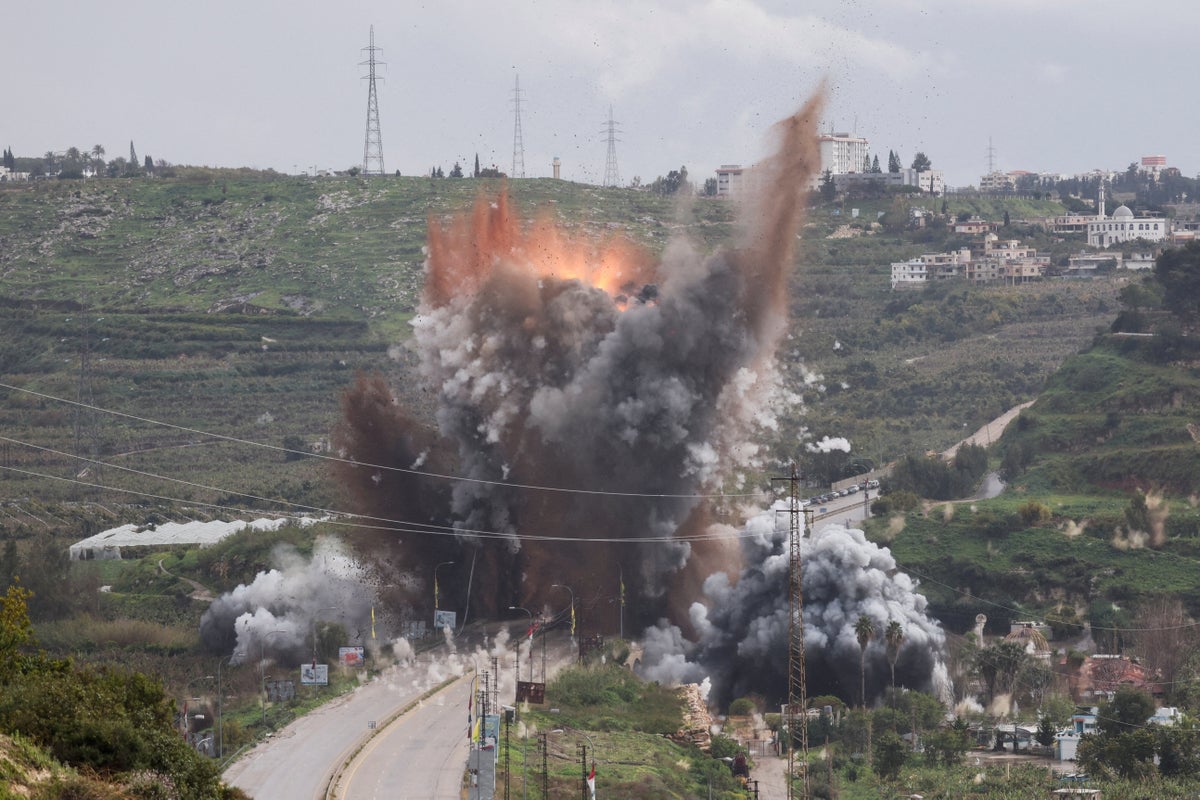
The sound of an Israeli missile hitting the Al-Zahrani bridge wasn't just another explosion in a year defined by them. It was a calculated shift in the geography of the conflict. By dropping the spans of this specific artery, the Israeli Air Force didn't just break concrete. They severed the primary umbilical cord connecting Sidon to Tyre and the deeper border regions. If you've been watching the escalation between Israel and Hezbollah, you know the "tit-for-tat" phase ended months ago. We're now in the era of systematic infrastructure denial.
This isn't random. Cutting a bridge like Al-Zahrani is a classic military move designed to "shape the battlefield." When you take out a bridge, you dictate where your enemy can move. You create bottlenecks. You turn a ten-minute transport run into a two-hour detour through narrow, mountain chokepoints that are incredibly easy to monitor from a drone. Meanwhile, you can explore related developments here: The Cold Truth About Russias Crumbling Power Grid.
The Strategic Logic of Breaking the South
Military planners call this interdiction. By targeting the Al-Zahrani bridge, Israel is effectively trying to isolate the Litani River area from the rest of the country. This bridge sits roughly 20 kilometers south of Sidon. It’s the gateway. Without it, the movement of heavy equipment, logistics, and even civilian medical supplies becomes a nightmare.
Think about the logistics. Hezbollah relies on mobile launch units and a flexible supply chain. When the main highway is intact, they can blend into civilian traffic and move quickly. When the highway is broken, they’re forced onto secondary roads. Those roads are often unpaved or narrow, making any convoy a sitting duck for the Hermes 450 or 900 drones constantly circling overhead. To understand the bigger picture, check out the recent report by The New York Times.
It’s also about psychological pressure. For the Lebanese civilians who haven’t fled yet, seeing a massive piece of national infrastructure crumbled into a ravine is a message. It says the "rules of engagement" that used to protect public utilities are gone.
What the Media Misses About Logistics
Most news reports focus on the smoke and the crater. They miss the ripple effect. When a bridge like this goes down, the price of bread in Tyre goes up. Why? Because delivery trucks now have to burn three times the fuel to navigate mountain passes.
Fuel tankers can’t easily navigate the steep, winding backup routes. This creates a localized energy crisis within days. We’ve seen this pattern before in the 2006 war, but the precision today is different. In 2006, Israel hit dozens of bridges simultaneously. In 2026, the targeting is more surgical. They aren't just hitting everything; they're hitting the specific nodes that cause the most logistical friction for Hezbollah’s Radwan Force while trying to manage the international fallout of hitting "dual-use" infrastructure.
The Human Cost of Strategic Interdiction
Let’s be real. The people who suffer most aren't the fighters in the tunnels. It’s the grandmother in a village near Nabatieh who needs dialysis in Sidon. When the Al-Zahrani bridge is out, that trip becomes an impossible gauntlet.
Ambulance crews are already reporting that transport times have doubled. In a war zone, a 30-minute delay is a death sentence. We’re seeing a repeat of the "cantonization" of Lebanon. The south is being carved into isolated pockets. If you can’t move between towns, you can’t sustain a local economy, and you certainly can’t run a functional hospital system.
The Lebanese Ministry of Public Works and Transport usually tries to patch these things with temporary metal Bailey bridges. But there’s a catch. Those temporary bridges can’t handle the same weight as the original concrete structures. They’re also even easier to destroy in a follow-up strike.
Why This Escalation Matters Right Now
The timing is everything. We’re seeing an increase in the depth of strikes. For months, the fighting was stayed within five to ten miles of the Blue Line. Now, hitting the Al-Zahrani bridge—which is significantly deeper into Lebanese territory—signals that Israel is no longer worried about keeping the "conflict zone" contained.
This strike happened amid talks of a potential ground maneuver. You don't take out bridges if you're planning to drive your own tanks across them tomorrow. You take out bridges when you want to stop the other guy from reinforcing his front lines. It suggests that Israel is currently more focused on an air-led "containment" strategy than an immediate full-scale invasion of the south, though that could change in an hour.
Misconceptions About Israeli Targeting
People often think these strikes are just about "punishing" the population. While there’s an element of national pressure, the primary driver is data-driven. The IDF’s target bank is likely fed by AI-sifted intelligence that tracks movement patterns. If they see a specific bridge being used consistently for what they identify as "tactical logistics," that bridge goes on the list.
It’s also a test of Hezbollah’s engineering capabilities. In previous conflicts, Hezbollah was surprisingly fast at creating dirt bypasses. By hitting the bridge now, Israel is forcing Hezbollah to show their hand—to show which alternate routes they’ll use and how they’ll move their assets under pressure.
Watching the Next Move
If you’re trying to track where this goes, don't just look at the border. Look at the bridges. If we see strikes moving further north—toward the Awali River or even the dam infrastructure—it means the goal has shifted from "tactical denial" to a "total blockade" of the south.
Keep an eye on the Litani River crossings. If those go, the south is effectively sliced off from the heart of Lebanon. For now, the Al-Zahrani strike is the clearest indicator yet that the "limited" war is over.
If you are currently in the region or have family there, realize that the primary coastal highway is no longer a reliable route. Movement should be restricted to essential needs only, and you must map out mountain bypasses before communications potentially go down. Watch the local "Lebanon Debate" or "Al-Manar" feeds for real-time road closures, but take the political framing with a grain of salt. The reality is on the ground: the road to Tyre is broken, and it won't be fixed anytime soon.