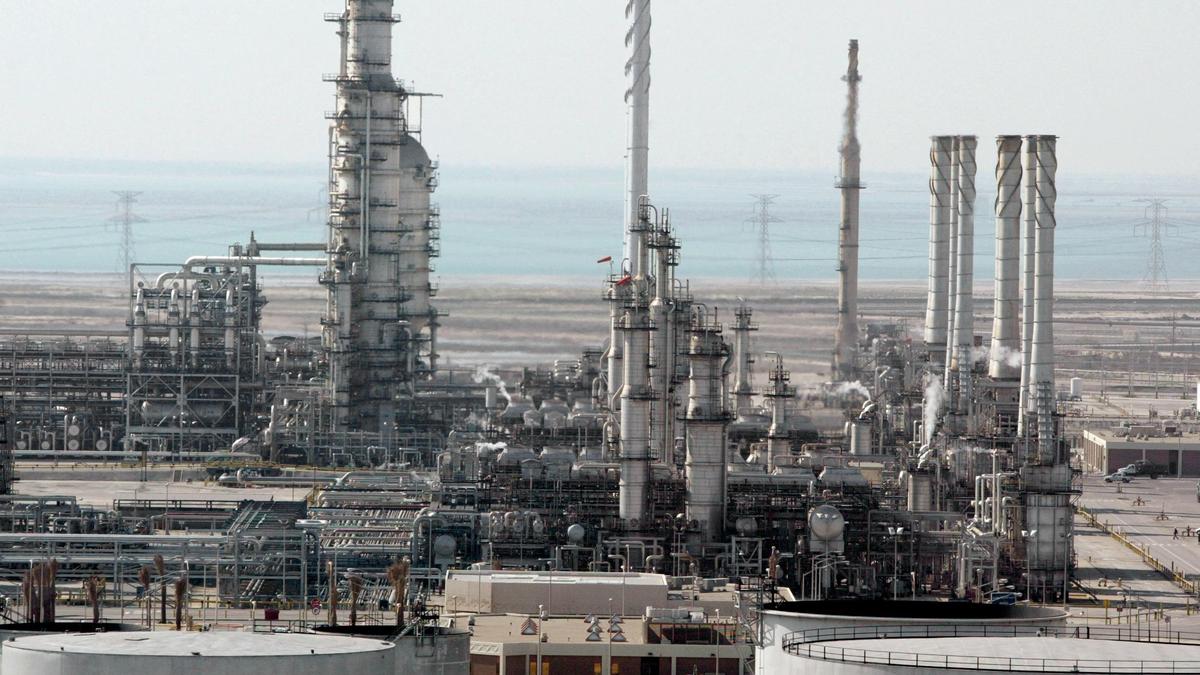
The headlines are screaming about a "soaring" oil price. The pundits are dusting off their 1970s analogies. They want you to believe that a missile in the Levant equates to a permanent tax on the global economy. They are wrong.
If you are buying crude at $85 or $90 because of a geopolitical flare-up, you aren't an investor. You are a liquidity exit for the people who actually understand how the modern energy market functions. The "Middle East Premium" is a ghost—a relic of a world that stopped existing around 2014.
The financial press loves a simple narrative: War equals Scarcity equals High Prices. It's a clean, linear logic that sells subscriptions and drives clicks. But it ignores the structural reality of the $100 trillion global economy. We are currently watching the death rattle of the geopolitical risk premium, and the smart money is betting on the crash that follows the spike.
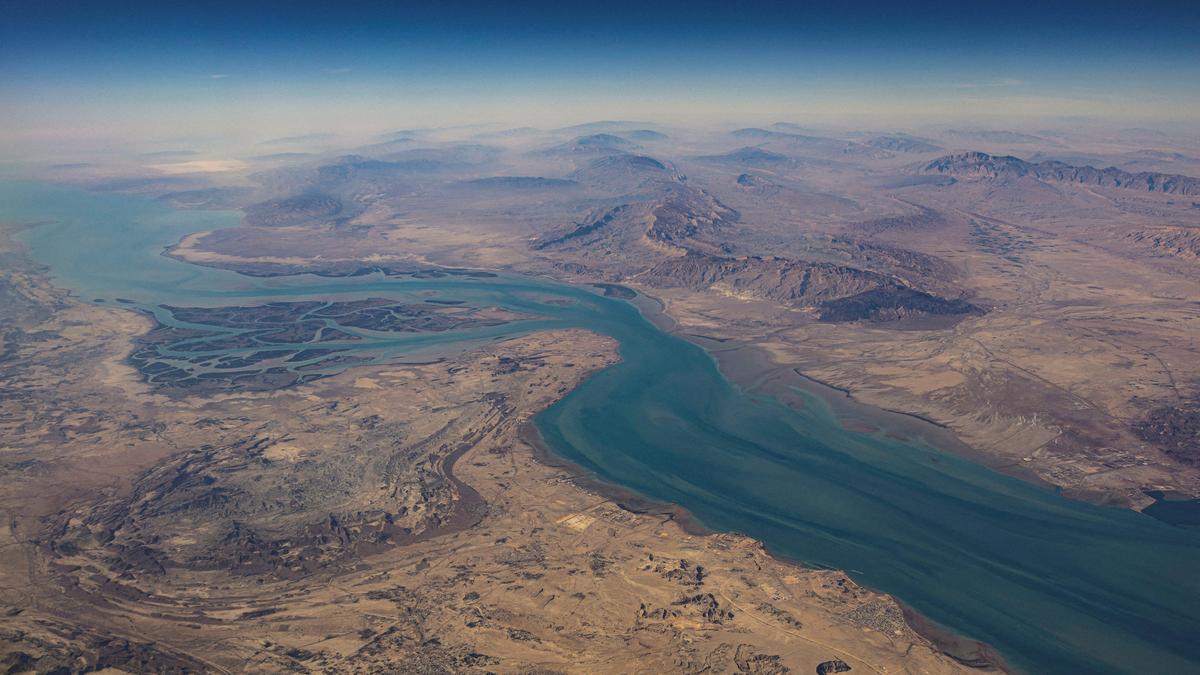
The Myth of the Strait of Hormuz Chokepoint
Every time a drone flies near a tanker, someone brings up the Strait of Hormuz. They tell you that 20% of the world's oil consumption flows through that narrow strip of water. They imply that if it closes, the lights go out in New York and London.
This is a fundamental misunderstanding of strategic depth.
In 1973, when the OAPEC embargo hit, the world had zero slack. Today, the United States is the largest hydrocarbon producer on the planet. I’ve seen traders lose their shirts waiting for a "Suez moment" that never comes because they forget about the Permian Basin. Every time the price of West Texas Intermediate (WTI) ticks up, a thousand "Drill, Baby, Drill" memos go out in Midland, Texas.
The math is simple:
$$P_{oil} = f(Supply, Demand, Risk)$$
The market is currently overweighting $Risk$ and ignoring the fact that $Supply$ is hyper-elastic in the Western Hemisphere. When prices rise, the fracking rigs come back online within weeks, not years. The "crisis" is its own cure.
Demand Destruction is the Real Predator
High oil prices are a self-correcting mechanism. When the price at the pump hits a certain threshold, the consumer doesn't just complain—they stop driving. This isn't a theory; it is a measurable psychological floor.
The "consensus" view says that oil demand is inelastic. That's a lie. In the age of remote work and the aggressive rollout of non-combustion logistics, the world’s thirst for crude has a hard ceiling. We are seeing a massive decoupling between GDP growth and oil consumption.
If war pushes oil to $100, it won't stay there. It will trigger a global recessionary impulse that guts demand so fast the OPEC+ cuts won't be able to keep up. You aren't watching the start of a bull market; you are watching a blow-off top.
Why Stocks Sliding is a Buying Opportunity, Not a Warning
The "stocks slide" narrative is the most tired trope in financial journalism. Yes, the S&P 500 dips when the news looks scary. That is called a "risk-off" reaction, and it is usually the best time to deploy capital.
The competitor's article suggests that high energy costs will eat corporate margins. Let’s look at the actual data. The tech giants that dominate the indices—Microsoft, Apple, Alphabet—are not energy-intensive businesses. Their "fuel" is talent and silicon, not diesel.
A 10% spike in oil doesn't hurt a software company’s bottom line, but the fear of that spike lets you buy their shares at a 5% discount. The market is pricing in a 1970s industrial collapse into a 2020s digital economy. It’s a category error of the highest order.
The OPEC+ Bluff
We need to talk about the internal politics of the cartels. When conflict escalates, the narrative says OPEC+ will tighten the screws. The reality? They are terrified.
Countries like Saudi Arabia and the UAE have massive "Vision 2030" style diversification projects. They need a steady, predictable price—not a spike that accelerates the world’s transition to alternative energy. If oil hits $120, every suburban parent in America starts looking at an EV. If you are a petro-state, that is a terminal threat to your long-term survival.
I have sat in rooms with energy analysts who still think we are in the era of the Seven Sisters. We aren't. We are in the era of the "Marginal Barrel." And that marginal barrel is increasingly found in places that don't care about Middle Eastern borders.
The Brutal Reality of "Geopolitical Risk"
The term "Geopolitical Risk" is often used as a catch-all for "I don't know why the price is moving."
True geopolitical risk is a supply disruption that lasts for more than six months. A skirmish is not a disruption; it’s a delay. Unless you see total war that physically destroys the infrastructure of the Ghawar field, the oil is still there. It’s just waiting for the insurance premiums to settle down.
- Risk 1: Physical destruction of pipelines. (Rare, easily repaired).
- Risk 2: Sanctions on major producers. (Usually leads to "shadow fleets" and "dark pools" of liquidity—the oil still reaches the market).
- Risk 3: Long-term closure of shipping lanes. (Triggers global military intervention—the one thing no regional power actually wants).
Stop Following the Herd into the Fire
The average retail investor hears "war" and buys oil stocks. By the time they click 'buy,' the professional desks have already priced in the next three months of conflict. They are looking for the exit.
If you want to actually make money during a Middle East escalation, you should be looking at the sectors the "soaring oil" narrative is punishing. Look at consumer discretionary. Look at high-growth tech. These are being sold off by people who think we are back in 1979.
The downside to my approach? You have to be comfortable being "wrong" for two weeks while the hysteria peaks. You have to watch the TV talking heads scream about $150 oil and hold your ground. It’s lonely, and it’s uncomfortable.
But the data doesn't lie. Every single geopolitical oil spike since 1990 has been followed by a deeper, longer-lasting move to the downside. The "soaring" prices are a transfer of wealth from the panicked to the patient.
The Middle East is a tragic theater of human conflict, but it is no longer the master of the global economy. The sooner you stop trading like it’s the 20th century, the sooner you’ll stop losing money to those who know better.
Stop looking at the missiles. Start looking at the inventories. The tanks are full, the rigs are ready, and the "soaring" price is nothing more than a temporary fever. Sell the spike. Buy the dip. Ignore the noise.
Take your profit while the "consensus" is still trying to figure out where the Strait of Hormuz is on a map.