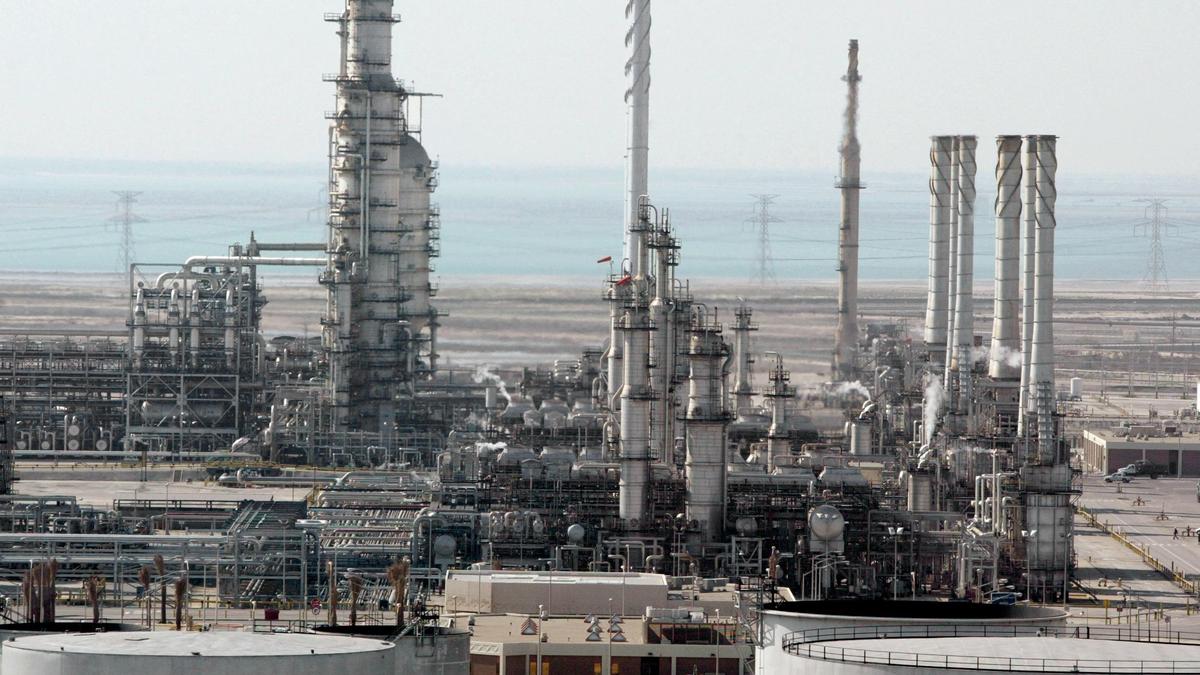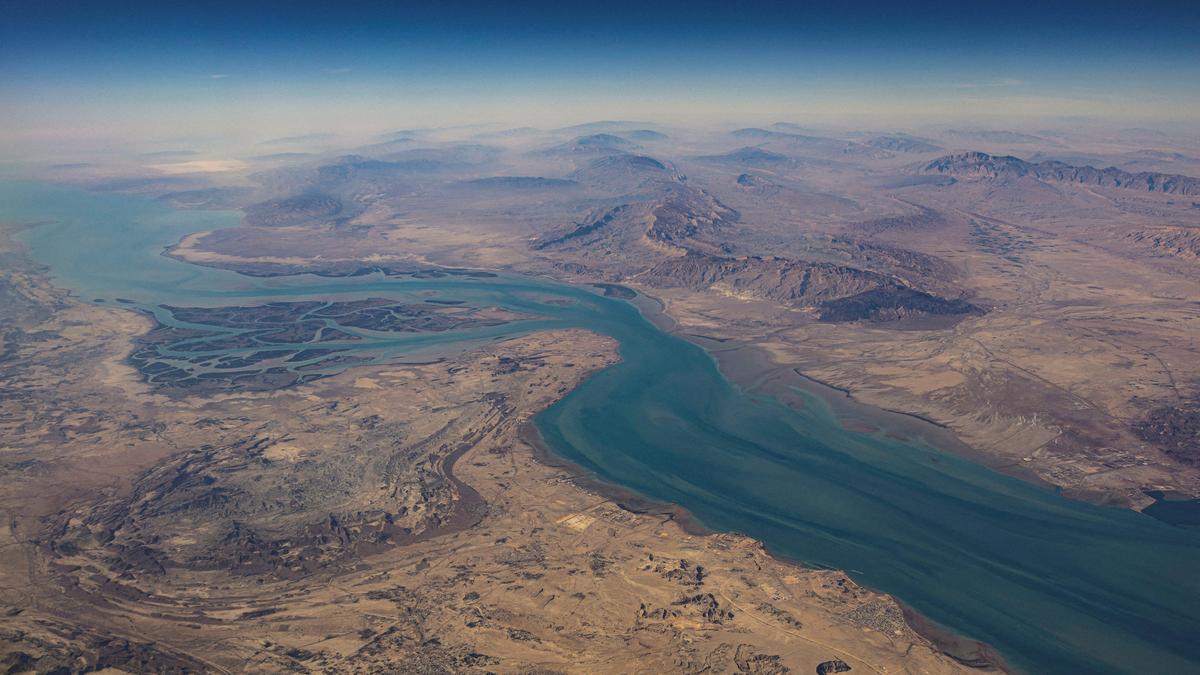
The maritime industry has a fetish for panic. Every time a regional power rattles a saber or a stray drone makes headlines, the mainstream press rushes to file the same tired story: the Strait of Hormuz is closing, global trade is dying, and the world is one tanker away from an energy apocalypse.
They are looking at the wrong map. Read more on a related subject: this related article.
The "collapse" of vessel traffic through the Strait isn't a symptom of terminal decline or even a genuine blockade. It is a strategic pivot—a massive, calculated shell game being played by shippers, insurers, and state actors who have realized that the old rules of "safe passage" were a costly illusion to begin with. If you are watching the dip in reported AIS (Automatic Identification System) signals and assuming the oil has stopped flowing, you aren't just wrong; you're being played.
The AIS Mirage and the Rise of the Dark Fleet
The most common mistake analysts make is equating AIS data with reality. Most mainstream reports cite a "drop in traffic" based on publicly available tracking signals. This is amateur hour. Further reporting by Business Insider highlights related perspectives on the subject.
In high-tension zones, turning off your transponder isn't just a safety precaution; it’s a standard operating procedure. I have watched shipping desks in Singapore and Dubai orchestrate entire "ghost" voyages where millions of barrels of crude move through the Strait without ever appearing on a civilian radar screen.
We aren't seeing a drop in volume; we are seeing a surge in shrouded logistics.
The "Dark Fleet"—those aging, under-insured tankers that operate outside Western oversight—doesn't care about West Asia tensions. In fact, they thrive on them. When the "legitimate" giants like Maersk or Hapag-Lloyd announce diversions, they are simply clearing the lanes for the shadow players who are more than happy to absorb the risk for a premium. To claim traffic is down because the "clean" data says so is like saying the internet is down because you can’t see the Wi-Fi signals in the air.
The Insurance Cartel’s Protection Racket
The narrative that traffic is down due to "unacceptable risk" is a convenient fiction maintained by the London insurance markets.
Let’s be blunt: War Risk Surcharges are a profit center. By amplifying the danger of the Strait, insurers can jack up premiums by 500% to 1000% in a matter of weeks. I’ve seen portfolios where the "threat" of a blockage earned more for the underwriters than the actual safe delivery of the cargo.
When a shipping line "diverts" or "pauses" operations, it isn't usually because the captain is afraid of a missile. It’s because the CFO refused to sign off on a premium that eats the entire margin of the voyage. The "tension" in West Asia is often less about physical danger and more about an accounting standoff between shipowners and the Joint War Committee.
Chokepoints are Obsolete
The 1970s-era obsession with "chokepoints" assumes that the global economy is a rigid pipe. It isn't. It's a pressurized sponge.
The obsession with the Strait of Hormuz ignores the massive expansion of the East-West Pipeline (Abqaiq-Yanbu) in Saudi Arabia and the Abu Dhabi Crude Oil Pipeline. These aren't just "alternatives"; they are the new backbone. The world has spent forty years building its way around the Strait, yet we still treat every minor skirmish in the Gulf as if it’s the end of industrial civilization.
The real story isn't that vessels are stopping; it's that the necessity of the Strait is being systematically dismantled. The "drop" in traffic is a sign of a maturing energy infrastructure that no longer relies on a single twenty-one-mile-wide strip of water.
The Myth of the "Innocent Passage"
The legal framework of the Strait of Hormuz is a mess of conflicting interpretations of the UN Convention on the Law of the Sea (UNCLOS). The West argues for "transit passage." Iran argues for "innocent passage."
The "lazy consensus" argues that these legal disputes cause the traffic drops. Wrong. The legal disputes are the excuse used for theater.
Nations don't seize tankers because they suddenly found a loophole in maritime law. They seize tankers as a form of "kinetic diplomacy." When traffic "slows," it’s often a coordinated diplomatic pause. Shippers wait for the political temperature to drop not because the water is dangerous, but because they don't want their hull to become a bargaining chip in a nuclear deal or a sanctions dispute.
Stop Asking if the Strait is Closing
The "People Also Ask" section of your brain is likely stuck on: "Will the Strait of Hormuz close in 2026?" or "How high will oil go if the Strait is blocked?"
These are the wrong questions. The right questions are:
- How much of the "missing" traffic is actually just spoofing its location?
- Why are we still using 20th-century naval metrics to measure 21st-century energy security?
- Who profits most from the perception of a shutdown?
If you want to understand the flow of energy, stop looking at the Strait. Look at the balance sheets of the shadow insurers in Vladivostok and the pipeline throughput in the Red Sea.
The High Cost of Being "Safe"
The irony is that the companies "fleeing" the Strait are often the ones losing the most market share. While Western majors play it safe and take the long route around the Cape of Good Hope—adding 10 to 14 days to their journey and burning millions in extra fuel—their competitors are perfecting the art of the "stealth transit."
There is a massive transfer of wealth happening right now from the risk-averse to the risk-literate. If you think the Strait of Hormuz is empty, you're just looking at the part of the ocean that wants to be seen.
The Strait isn't a bottleneck anymore. It's a filter. It filters out the timid, the over-regulated, and the transparent. What’s left behind isn't a void; it’s a more efficient, more ruthless, and entirely invisible trade route that doesn't care about your headlines.
Stop watching the horizon for a blockade. The real movement is happening under the radar, and it’s not coming back to the light.