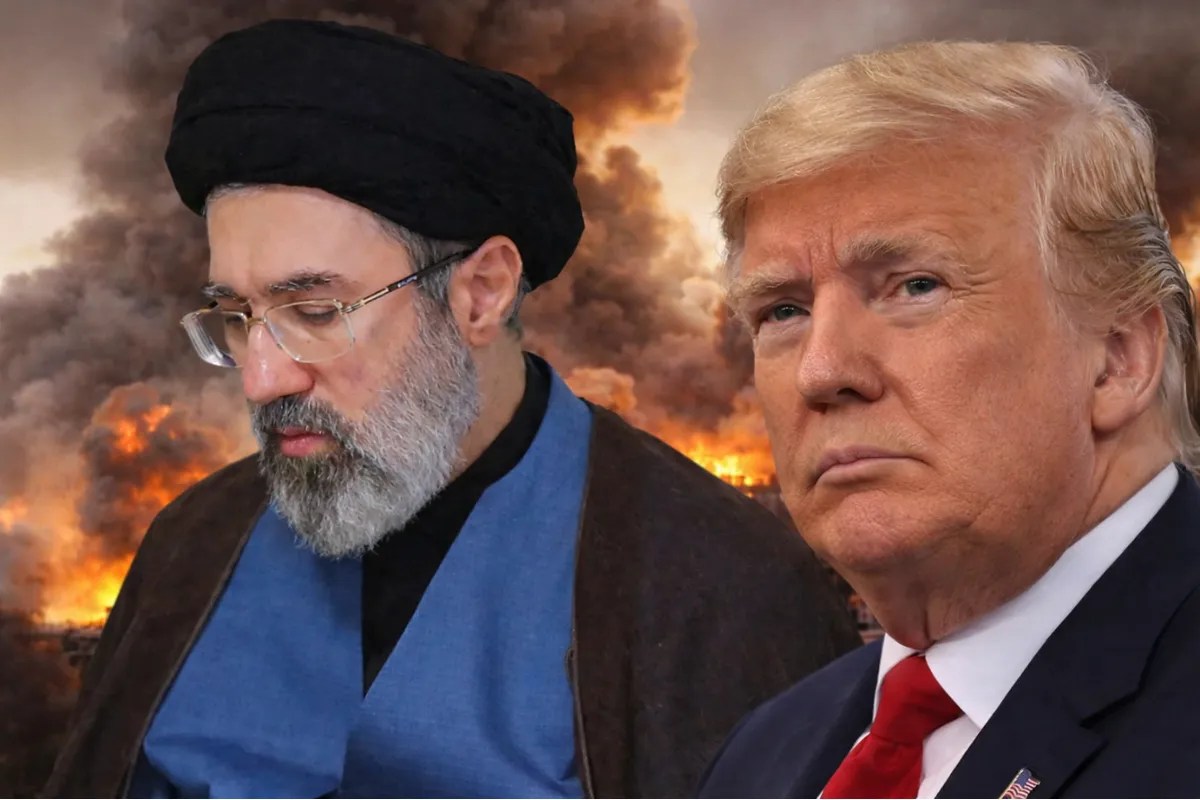
The ink on the diplomatic cable was likely still damp when the answer came back from Tehran. It wasn't the answer the West wanted. It wasn't the answer the markets expected. In the high-stakes theater of global geopolitics, a ceasefire proposal is often less of a white flag and more of a diagnostic tool—a way to see exactly how much pressure the other side can withstand before the glass cracks.
Iran just proved the glass hasn't even begun to vibrate.
While news tickers in New York and London flashed the technical rejection of the U.S.-led ceasefire proposal, the reality on the ground in the Middle East felt much heavier. This isn't just about troop movements or the range of ballistic missiles. It is about a fundamental collision of two different clocks. The West operates on a clock of election cycles and quarterly reports. Tehran operates on a clock of decades, centuries, and ideological endurance.
The Merchant in the Middle
Consider a man named Reza. He isn't a general. He doesn't sit in the inner sanctums of the Revolutionary Guard. He owns a small carpet shop in the Grand Bazaar of Isfahan. For Reza, the news of a rejected ceasefire doesn't come through a press release. It comes through the sudden, sharp silence of his shop.
When tensions spike, the tourists vanish. The European collectors who used to haggle over silk weaves stay home. The local currency, the rial, does a nervous dance against the dollar. Reza watches the price of bread rise in the morning and the price of his life’s work fall by the afternoon.
To the world, this is a "strategic refusal." To Reza, it is the tightening of a familiar knot in his stomach. He represents the millions of people who live in the shadow of the "No." When a government says the conflict will not stop until its goals are met, they are essentially saying that the daily stability of people like Reza is a secondary concern to a primary, abstract ambition.
The Mechanics of the Refusal
Why would a nation stare down the barrel of a global superpower and say "not yet"?
The U.S. proposal wasn't just a request to stop shooting. It was a framework designed to de-escalate a region that is currently vibrating with kinetic energy. From the shipping lanes of the Red Sea to the border towns of Lebanon, the map is glowing red. By rejecting the ceasefire, Iran is signaling that it believes its "strategic depth"—its network of influence and its ability to disrupt—is currently more valuable than the relief of sanctions or the promise of peace.
The refusal hinges on a singular, stubborn point: the definition of "goals." When Tehran says the struggle continues until goals are met, they are talking about a total reconfiguration of who holds the keys to the Middle East. They are looking for the exit of Western influence, a change in the status of regional rivals, and a permanent seat at the head of the table. A ceasefire, in their eyes, is often viewed as a "tactical pause" that benefits the status quo they are trying to dismantle.
The Ghost of 1988
To understand this stubbornness, you have to look backward. History isn't a school subject in this part of the world; it is a scar.
In 1988, at the end of the brutal eight-year war with Iraq, Iran’s Supreme Leader at the time, Ayatollah Khomeini, famously described accepting a UN-mediated ceasefire as "drinking from a poisoned chalice." That memory lingers. It taught a generation of leaders that stopping a fight before you have clearly "won" can feel like a spiritual and political defeat.
Today’s leadership isn't just rejecting a document. They are avoiding the chalice. They are betting that the world's appetite for a prolonged, expensive, and chaotic conflict is lower than their own. It is a gamble of breathtaking proportions.
The Shipping Lane Standoff
The ripple effects of this "No" don't stay in the desert. They travel by sea.
When a ceasefire is rejected, the insurance premiums on cargo ships in the Bab el-Mandeb strait skyrocket. A captain sitting on the bridge of a massive container ship, carrying electronics for Amazon or grain for East Africa, feels the weight of that rejection. He has to decide whether to risk the passage or take the long, expensive way around the Cape of Good Hope.
This is where the "human-centric narrative" meets the "global economy." Your next smartphone might cost an extra fifty dollars because a diplomat in a room three thousand miles away decided that the "goals" hadn't been met yet. The conflict isn't "over there." It is in your pocket. It is in the price of the gas you put in your car to get to work.
The Invisible Stakes of "Until"
The word "until" is the most dangerous word in diplomacy.
- "Conflict will not stop until goals are met."
- "Sanctions will not lift until behavior changes."
"Until" is a moving goalpost. It is a horizon line that retreats the faster you run toward it. For the families in the region—those in Tehran, Tel Aviv, Beirut, and Erbil—the word "until" means another season of uncertainty. It means students wondering if their universities will stay open. It means parents wondering if the "strategic goals" of their leaders are worth the childhoods of their sons and daughters.
There is a profound exhaustion that sets in when a ceasefire is dangled and then snatched away. It is a psychological whiplash. One day, there is talk of corridors of aid and the silencing of drones. The next, the rhetoric hardens, the steel returns to the voice of the spokesperson, and the drones continue their buzzing orbit.
The Logic of the Brink
We often mistake these geopolitical moves for madness. They aren't. There is a cold, calculated logic to the brinkmanship. By rejecting the U.S. proposal, Iran is testing the resolve of a superpower during an election year. They are observing the internal fractures in Western alliances. They are calculating exactly how much the global economy can bleed before the "final offer" gets a little bit better for them.
It is a game of chicken played with millions of lives.
The U.S. proposal likely offered a path back to some form of normalcy. But normalcy is not the goal for a revolutionary state. Power is. And power, in this context, is the ability to say "No" when the rest of the world is screaming "Please."
The Shadow of the Future
What happens when the "goals" are finally met? Or, more likely, what happens when the cost of pursuing them becomes higher than the regime can pay?
The tragedy of the rejected ceasefire is that it assumes time is an infinite resource. It assumes that the anger of the people, the decay of the infrastructure, and the isolation of the nation can be sustained indefinitely. But every "No" adds a brick to a wall that eventually becomes a prison.
The diplomats will return to their hotels. The generals will update their targets. The pundits will argue over whether this was a show of strength or a desperate gasp.
But back in Isfahan, Reza will close his shop early. He will walk through the darkening arches of the bazaar, the scent of spice and dust hanging in the air, and he will look at the sky. He isn't looking for a "strategic victory." He is looking for a horizon that doesn't feel like a threat.
The conflict continues. The goals remain unmet. The world waits for the next cable, the next proposal, and the next chance to put the poisoned chalice down.
Somewhere in the silence between the headlines, a child is being told to stay inside today, just in case the "goals" require more than just words.
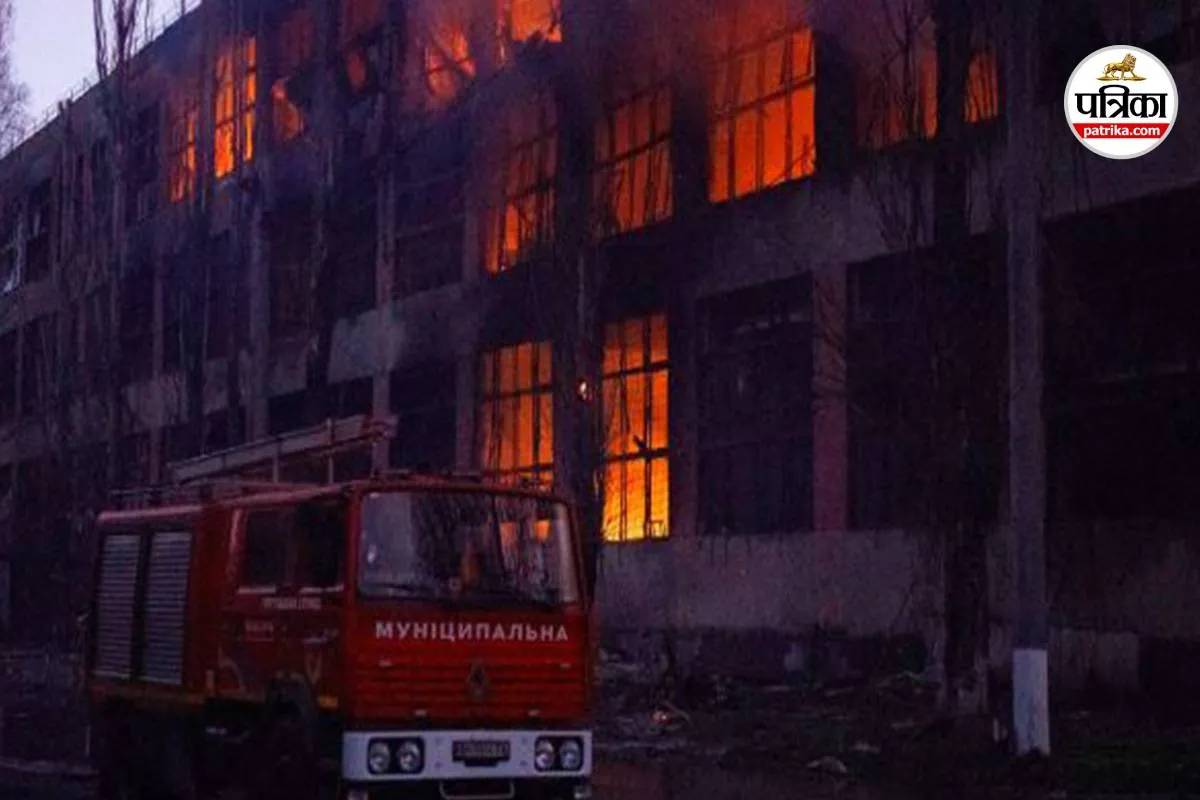
The "No" has a sound. It sounds like a door slamming in a house that is already on fire.
Would you like me to analyze the specific economic impact this rejection might have on global oil prices and shipping routes?