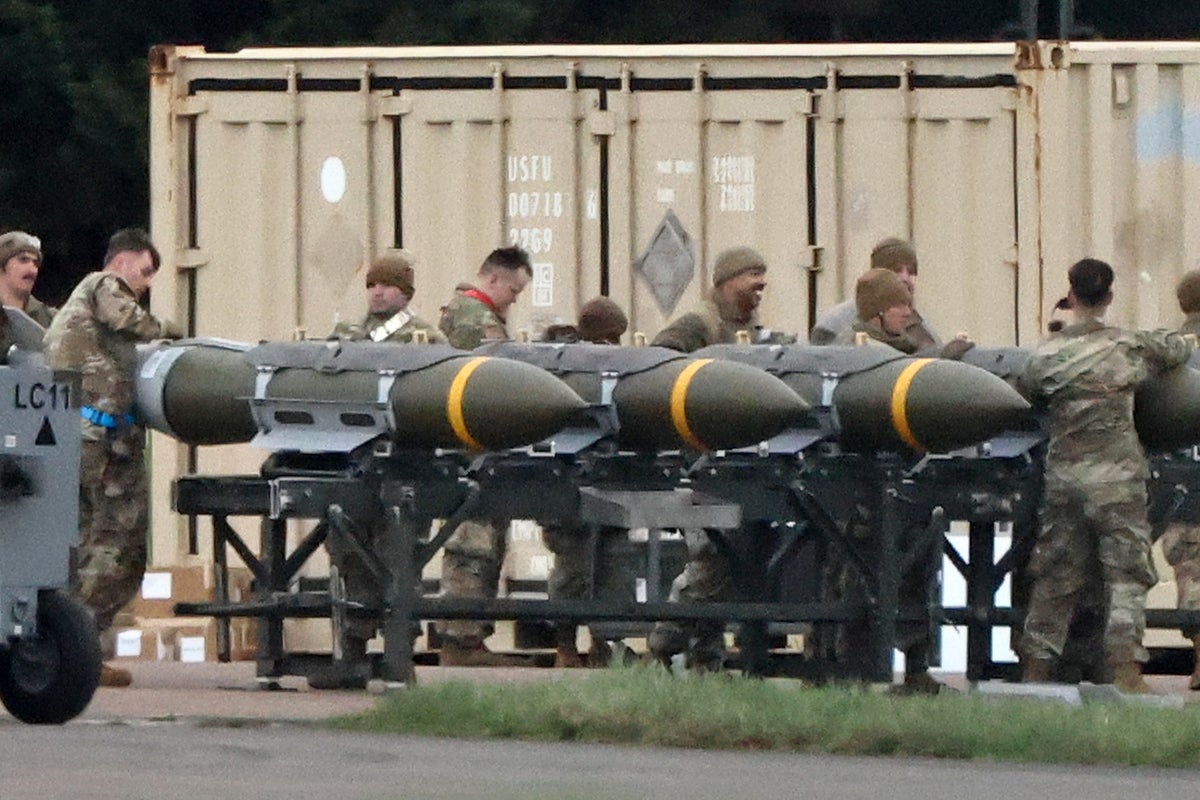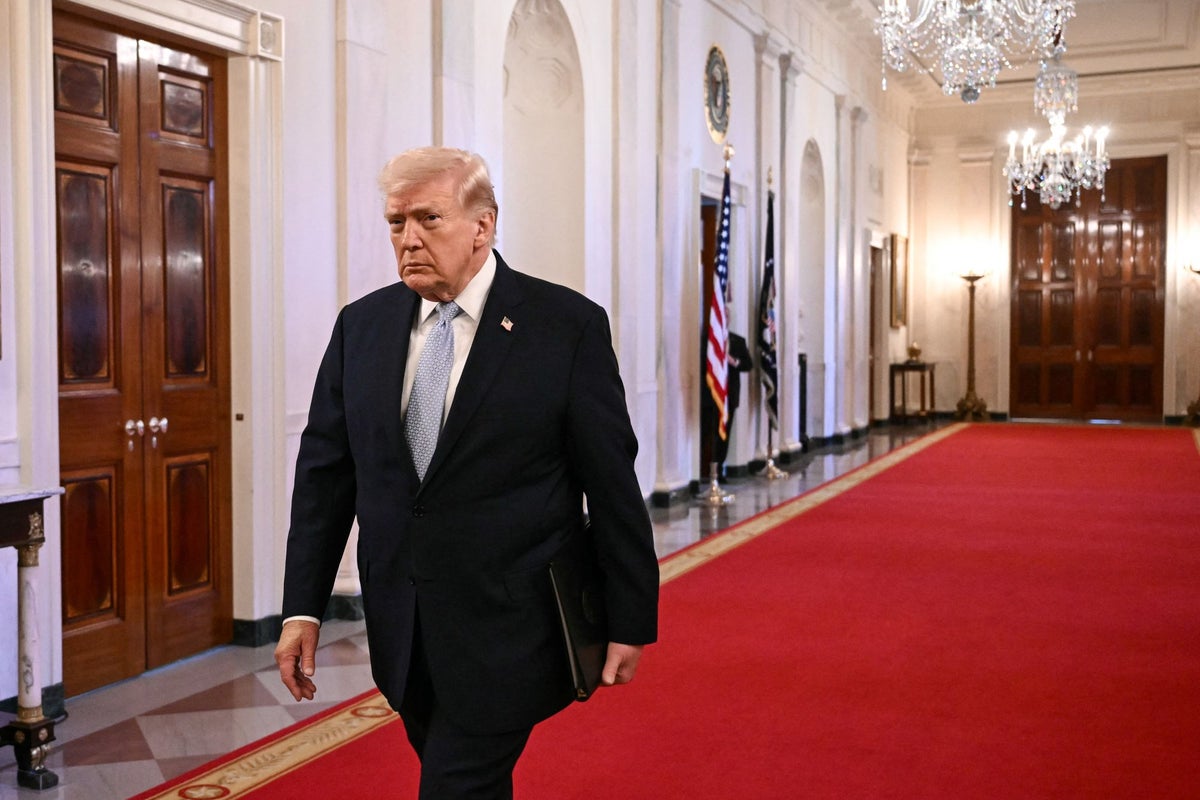
Washington’s war with Iran didn't start with a clear roadmap, and it's getting even messier. If you feel like the goalposts move every time you turn on the news, you aren't alone. A massive chunk of the American public now says they understand the purpose of this conflict less today than they did when the first missiles flew. It’s a crisis of communication, strategy, and trust that’s leaving the country adrift while the stakes only get higher.
When the conflict kicked off, the messaging felt urgent. We heard about immediate threats, regional stability, and the need to curb nuclear ambitions. But as months have dragged into a grinding reality, those justifications have blurred into a hazy mix of regime change whispers and vague talk of "deterrence." It’s hard to support a mission when the government can’t decide if we’re there to stop a bomb, protect shipping lanes, or overhaul a whole government.
Why the Public Message is Falling Apart
The numbers tell a story of a disconnect. Recent polling data reveals a sharp decline in clarity among voters across the political spectrum. In the early days, about 60% of respondents felt they had a "fairly good" grasp of why the U.S. was engaging in direct kinetic action against Iranian assets. Fast forward to now, and that number has plummeted below 40%. People are asking what winning even looks like.
One big reason for this muddle is the lack of a formal declaration or a set "end state." We’ve seen this movie before in the Middle East. It starts with a specific objective—like neutralizing a drone site—and expands into a sprawling, multi-year commitment with no exit ramp. The White House keeps saying they don't want a "wider war," yet the scope of targets keeps growing. If you’re confused, it’s because the strategy itself is contradictory.
The Cost of Strategic Ambiguity
Strategic ambiguity might work in backroom diplomatic channels, but it’s a disaster for domestic support. When the public doesn't know the goal, they stop believing the sacrifice is worth it. We’re seeing a rise in "intervention fatigue" that’s hitting much faster than it did during previous conflicts.
The Pentagon points to successful strikes on IRGC infrastructure as proof of progress. But progress toward what? If the goal is to stop Iran’s influence, the current metrics don't show a win. If the goal is to protect Israel, the regional escalation suggests the opposite is happening. This gap between official reports of "success" and the reality of a deepening quagmire is where public trust goes to die.
The Nuclear Wildcard
The nuclear issue remains the most terrifying part of this puzzle. Half the briefing room talks about preventing a breakout, while the other half focuses on proxy groups in Yemen or Iraq. This split-brain approach makes it impossible for the average person to tell what the priority actually is. Are we fighting a regional proxy war, or are we trying to prevent a global nuclear catastrophe? The administration tries to say it's both, but in practice, these goals often require different, and sometimes opposite, tactics.
Military Reality Versus Political Rhetoric
I’ve talked to veterans who see the same patterns emerging here that we saw in the early 2000s. The military is exceptionally good at hitting targets. They can take out a command center with terrifying precision. But the military cannot create a political outcome out of thin air. Without a clear political directive, these strikes are just "mowing the grass"—a temporary fix that ensures the conflict never actually ends.
The rhetoric coming out of D.C. sounds like it’s designed for a 24-hour news cycle, not a long-term geopolitical shift. One day we’re "sending a message." The next, we’re "degrading capabilities." These are buzzwords, not strategies. They don't tell the mother of a deployed soldier when her kid is coming home. They don't tell the taxpayer why billions are flowing into a regional sandbox while the domestic economy feels the squeeze of war-driven energy spikes.
What Real Clarity Would Look Like
If the government wanted to fix this, they’d start by being honest about the trade-offs. You can’t have a "limited conflict" that also aims to completely dismantle a nation’s regional influence. That’s a fantasy.
A clear goal would sound like this: "We are here to achieve X, and we will leave when Y happens." Instead, we get: "We will continue to take necessary actions at a time and place of our choosing." That’s a blank check for forever war. Honestly, it’s insulting to the intelligence of the public to suggest that this level of involvement can be sustained without a defined finish line.
The confusion isn't a glitch; it's a feature of a policy that’s being made on the fly. We are reacting to events rather than driving them. Until there’s a hard conversation about what the U.S. is actually willing to risk—and what it’s willing to walk away from—the confusion will only get worse.
Moving Beyond the Noise
You need to look past the daily headlines of "successful strikes" to understand the real trajectory of this war. Keep an eye on the War Powers Act debates in Congress. That’s where the real fight over the "why" is happening. If Congress won't put a stamp on the goals, the executive branch will keep moving the goalposts.
Stop taking the "deterrence" talk at face value. Look at the regional map. If Iranian-backed groups are still firing, deterrence hasn't happened. Demand specific definitions of victory from your representatives. If they can’t give you a one-sentence answer on what the end of the Iran war looks like, they don't have a plan. They’re just hoping things work out, and in war, "hope" is a recipe for a decade-long mistake. Focus on the actual legislative moves to limit or define the scope of the conflict, as that’s the only place where the confusion might actually get cleared up.