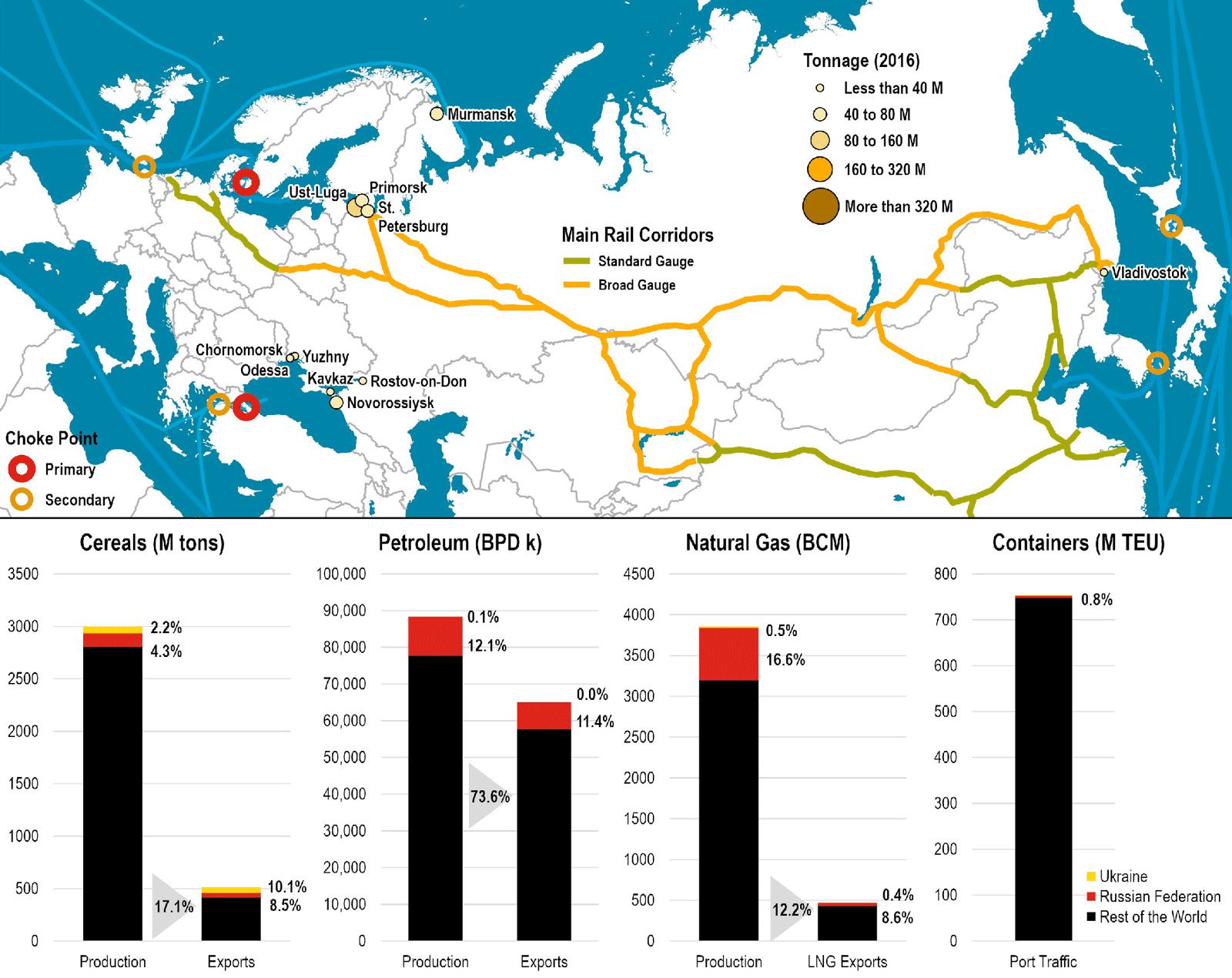
The Strait of Hormuz is a twenty-one-mile wide bottleneck of saltwater and anxiety. On a map, it looks like a pinched nerve. In reality, it is the jugular of the global economy. If you are reading this under the glow of a lightbulb or if you drove a car today, you are tethered to this specific patch of the Persian Gulf.
But for the men standing on the bridges of the tankers—men like "Captain Elias," a composite of the merchant mariners who have spent decades navigating these waters—the Strait is no longer just a trade route. It has become a stage for a high-stakes standoff where the script changes every hour. Elias watches the radar. He sees the fast-attack boats of the Iranian Revolutionary Guard skimming the waves like dragonflies. He looks for the comforting silhouette of a grey hull, a destroyer, a sign that the world’s superpowers have his back.
Lately, that silhouette has been missing.
Washington issued a call to its oldest allies. The request was simple, at least on paper: send your warships. Join a coalition to police these waters. Protect the oil. Secure the flow of commerce. The response from London, Berlin, and Paris was not a "yes." It was a cold, echoing silence that has left the White House fuming and the maritime industry holding its breath.
The Mechanics of Distrust
Geopolitics is often described as a game of chess, but that is too clean an analogy. It is more like a family feud played out in a minefield. President Trump’s frustration isn't just about military logistics; it’s about the perceived betrayal of the "America First" era coming home to roost. For decades, the unspoken deal was clear. The United States provided the global security umbrella, and in exchange, its partners followed its lead.
That deal is fraying.
Germany looked at the request and saw a trap. To Berlin, joining a U.S.-led mission in the Strait wasn't just about protecting tankers; it was about being dragged into a "maximum pressure" campaign against Tehran that they never signed up for. They fear that a single nervous sailor on a European frigate could pull the trigger and spark a war that would set the entire Middle East ablaze.
France hesitated for similar reasons. They prefer a "European-led" monitoring mission, a way to keep watch without being tethered to the American command structure. It is a polite way of saying they don't trust the driver of the lead vehicle.
Imagine you are at a dinner party where the host decides to pick a fight with the neighbor. Then, the host asks you to go stand on the front porch with a baseball bat to "keep the peace." You might stay in your seat. You might even start looking for your coat.
The Invisible Toll on the Water
While diplomats argue in air-conditioned rooms in Brussels and D.C., the reality on the water is visceral.
The price of shipping oil doesn't just go up because of supply and demand. It goes up because of "War Risk Premiums." When a tanker is seized or a mine clings to a hull, insurance companies recalculate the value of a human life and a hundred thousand tons of crude. Those costs are invisible to the consumer at the pump for a few weeks, but they are relentless.
Consider the "Stena Impero," the British-flagged tanker seized by Iran. The crew wasn't made up of politicians. they were international workers, caught in a vise. When the U.S. calls for a coalition and the world says no, the message to those sailors is terrifying: You are on your own.
The U.S. military is the most powerful force in human history. It can track a sparrow across a desert. But it cannot force a sovereign nation to risk its sons and daughters in a conflict it deems avoidable. The rejection by the UK—initially—and the firm "nein" from Germany signaled a fundamental shift. The era of the "Coalition of the Willing" has been replaced by the "Coalition of the Wary."
The Shadow of 2003
To understand why Europe is so hesitant, you have to look at the scars. The ghost of the Iraq War haunts every meeting at NATO. The intelligence that wasn't, the "Mission Accomplished" that wasn't, and the decade of chaos that followed have made European capitals allergic to American-led interventions in the Middle East.
They see the current tension as a self-inflicted wound. By pulling out of the nuclear deal (the JCPOA), the U.S. moved the pieces on the board. Now, asking for help to manage the fallout feels, to the Europeans, like being asked to help put out a fire started by the fire chief.
It is a breakdown of the most valuable currency in international relations: predictability.
When a superpower becomes unpredictable, its allies become self-preservational. They stop looking at the horizon and start looking at their own feet. They build their own small, regional alliances. They send "observers" instead of "destroyers." They use words like "de-escalation" as a shield against "intervention."
The Merchant’s Dilemma
Back on the bridge of a VLCC (Very Large Crude Carrier), the geopolitical nuance doesn't matter. What matters is the "Rules of Engagement."
If a fast boat approaches, does the Captain call the U.S. Navy? Will they come? If they do come, will their presence provoke a boarding or a missile strike?
The failure to form a unified front has created a security vacuum. This vacuum is filled by doubt. In the shipping industry, doubt is expensive. It leads to rerouting ships around the Cape of Good Hope, a journey that adds thousands of miles and millions of dollars in fuel. It leads to a slow-motion strangulation of the very trade the Strait is supposed to facilitate.
The U.S. remains frustrated because it sees itself as the only one willing to do the heavy lifting. From the White House perspective, Europe is "freeloading" on security, reaping the benefits of open sea lanes while refusing to provide the hardware to keep them that way. It is a classic tragedy of the commons. If everyone expects someone else to police the alleyway, the thugs eventually own the alleyway.
The Breaking Point
We are witnessing the slow dismantling of the post-WWII security architecture. It isn't happening with a bang, but with a series of declined invitations.
The "upset" felt by the American administration isn't just about ships. It’s about the realization that the megaphone doesn't work like it used to. You can shout "America First," but you cannot then be surprised when other nations decide to put themselves first, too.
The Strait of Hormuz remains a beautiful, treacherous stretch of blue. The sun sets over the Musandam Peninsula, casting long shadows across the decks of tankers carrying the lifeblood of modern civilization. Those ships are vulnerable. They are huge, slow, and filled with flammable treasure.
In the absence of a unified fleet, the Strait has become a place of whispers and shadows. The ships move through the darkness with their transponders turned off, hoping to be invisible, hoping to be forgotten by history. But history has a way of finding you, especially in a place where the water is narrow and the memories are long.
The ships continue to sail, but they sail under a sky that feels emptier than it did a decade ago. The warships are there, but they belong to separate masters with separate agendas. The horizon is a jagged line of uncertainty.
Somewhere in the middle of the channel, a Captain adjusts his binoculars. He sees a shape in the distance. He waits to see if it is a friend, an enemy, or someone who is simply tired of choosing sides.
The world is watching the Strait, but the Strait is mostly watching its own reflection, waiting for a signal that never comes.