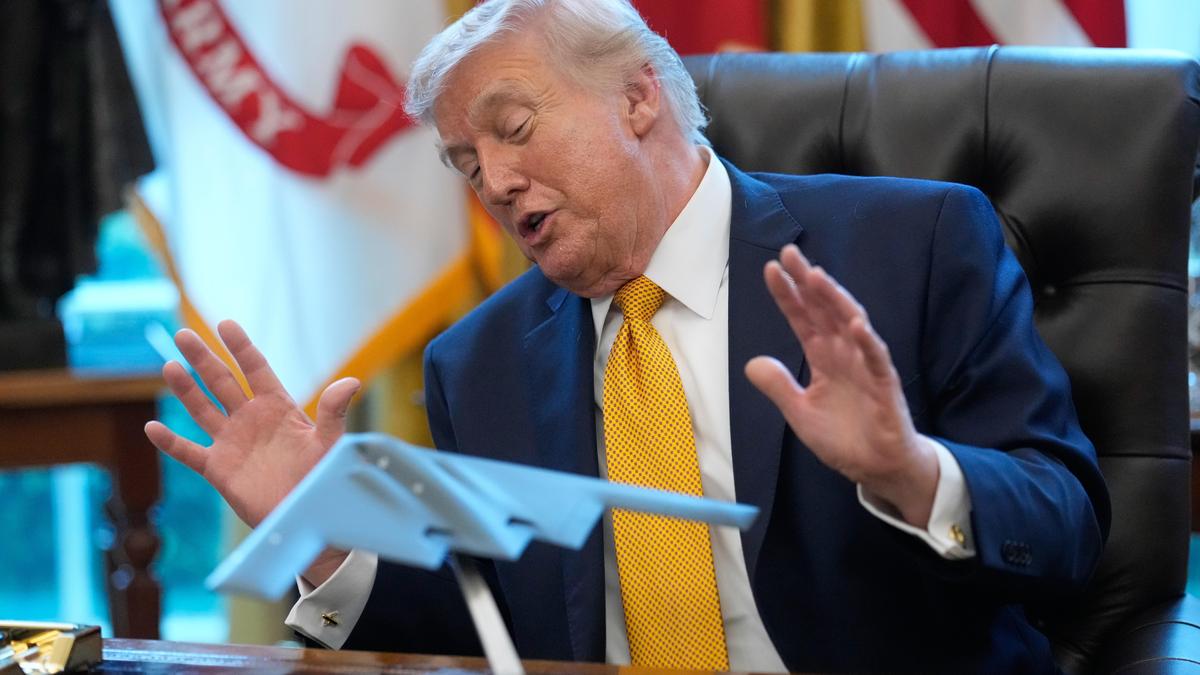
Donald Trump does not do delays unless he is holding a bill that hasn't been paid. On Monday, when the President announced he was pushing back his high-stakes Beijing summit with Xi Jinping by "a month or so," he framed it as the logistical necessity of a wartime commander. He told reporters in the Oval Office that he "has to be here" while Operation Epic Fury—the joint U.S.-Israeli campaign against Iran—grinds into its third week. But the geopolitical reality is far more transactional.
This isn't just about the President wanting to stay near the Situation Room. It is a calculated freeze intended to force Beijing’s hand on a crisis that is currently strangling the world’s most vital energy artery. By shelving the March 31 summit, Trump has effectively told Xi that the "biggest display in the history of China" is off the table until Beijing starts policing the Strait of Hormuz.
The Hormuz Ransom
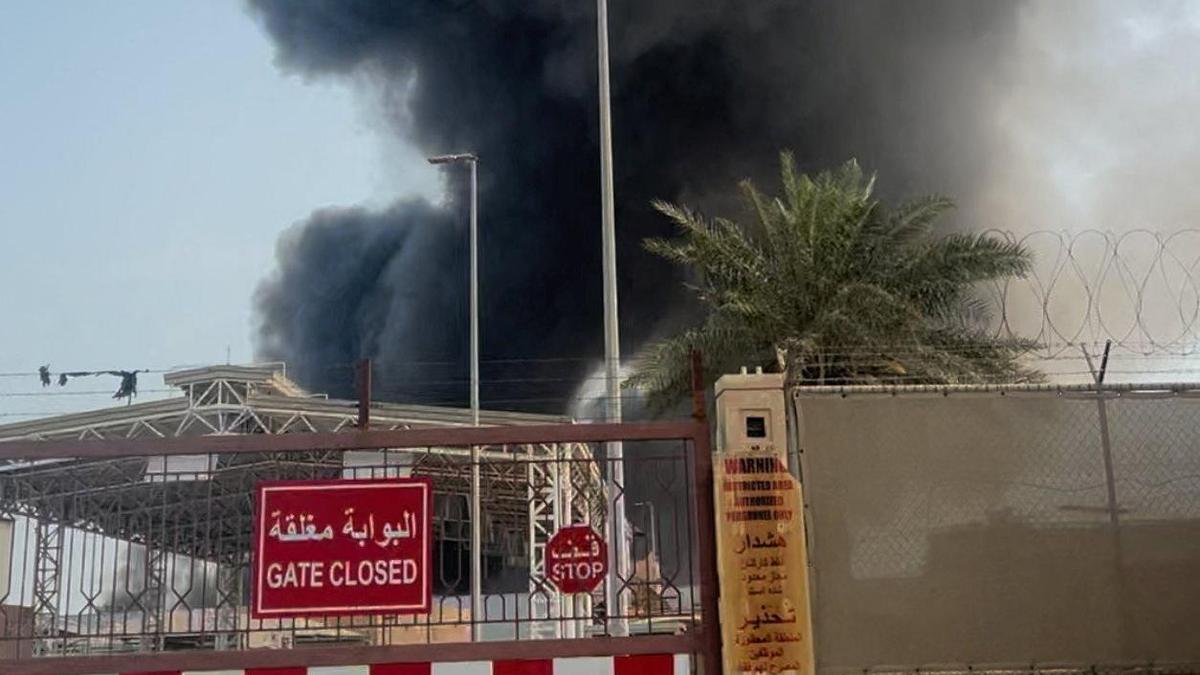
The conflict in Iran has evolved from a targeted decapitation strike into a global maritime siege. After the late February strikes that killed Supreme Leader Ali Khamenei, Tehran’s remaining hardliners successfully choked the Strait of Hormuz. Now, with Brent crude hovering around $100 a barrel and American gas prices spiking, the White House is facing a math problem it cannot bomb its way out of.
Trump’s public rhetoric has been uncharacteristically blunt. He isn't asking for diplomatic support; he is demanding warships. During a weekend interview with the Financial Times, he explicitly linked the summit's timing to China’s willingness to help break the Iranian blockade. The logic is simple: China is the world’s largest oil importer, and roughly half of its crude passes through that narrow waterway. Trump’s position is that the U.S. should not be the only one paying the blood and treasure price to keep the lights on in Shanghai.
Treasury Secretary Scott Bessent tried to soften the blow in Paris, claiming the delay was merely "logistical." This is a classic diplomatic feint. While Bessent and Vice Premier He Lifeng are reportedly making progress on agricultural purchases and a one-year trade truce, the President is playing a different game. He is using the summit—a vanity project Xi desperately needs to project stability to his own cooling economy—as a bargaining chip to internationalize a war that currently feels like a solo U.S. venture.
Beijing’s Strategic Paralysis
China finds itself in a tightening vice. For years, Beijing has enjoyed the "free rider" status in the Persian Gulf, benefiting from U.S.-guaranteed security while maintaining a "no strings attached" relationship with Tehran. That era ended the moment the first Tomahawks hit Kharg Island.
The Chinese Foreign Ministry’s response has been a masterclass in ambiguity. Spokesman Lin Jian calls for "ceasefire" and "de-escalation," but Beijing has yet to commit a single hull to the international escort effort Trump is demanding. There is a deep-seated fear in the Zhongnanhai that joining a U.S.-led naval coalition would not only alienate a strategic partner in Tehran but also signal a subservience to the Trumpian world order.
However, the internal pressure on Xi is mounting.
- Energy Security: China’s strategic reserves are not bottomless. If the Hormuz closure persists for months rather than weeks, the manufacturing heartlands of Guangdong will face rolling blackouts.
- Economic Optics: The summit was supposed to be the "reset" that halted the slide of the yuan and signaled to global investors that the trade war was entered a cooling phase.
- The Midterm Factor: Trump knows that Xi is watching the U.S. midterm elections. By delaying the summit, Trump avoids giving Xi a "win" that could be used as leverage later, while simultaneously keeping the threat of new tariffs active.
The Epic Fury Complication
The war itself is not going according to the initial "four to five weeks" script. While the administration boasts of "obliterating" 90% of Iran’s missile capacity, the asymmetric threat remains potent. The assassination of Khamenei and the rise of his son, Mojtaba, has not led to the regime collapse some in the West predicted. Instead, it has hardened the IRGC’s resolve to turn the Persian Gulf into a graveyard for tankers.
The U.S. military has struck over 7,000 targets, yet the Strait remains "effectively closed." This creates a glaring vulnerability for Trump. If he goes to Beijing while the American public is fuming over $6-a-gallon gas, he looks weak. If he stays home and "coordinates," he maintains the image of the focused wartime leader, even as the stock market reacts with gut-wrenching volatility to every new drone report from the Gulf.
The "one month" delay is a placeholder, not a deadline. It gives the Pentagon more time to attempt a definitive clearing of the mines in the Strait, and it gives Trump more time to see if the "Maximum Pressure" 2.0 can actually force China to blink.
The Trade Truce on Life Support
Lost in the war clouds is the fact that the U.S.-China trade relationship is currently held together by a fraying 2025 truce. Bessent’s team is still pushing for massive purchases of American beef, poultry, and non-soybean crops. China is willing to buy, but they want something in return: a rollback of the 1970s-era emergency tariffs the Trump administration is trying to revive through new legal frameworks after a Supreme Court setback in February.
The postponement of the summit means these technical negotiations continue in a vacuum. Without the "head-of-state" finality, neither side is willing to make the big concessions. China won't move on the Strait of Hormuz without trade guarantees; Trump won't give trade guarantees while China remains on the sidelines of the war.
A Transactional Conflict
This is the new normal of the second Trump term. Geopolitics is no longer about shared values or long-term alliances; it is a series of interconnected trades. The war in Iran is being traded for trade concessions in China. The safety of the global oil supply is being traded for naval cooperation.
Trump’s request for a delay is a signal that the "Art of the Deal" has moved from the boardroom to the battlefront. He is betting that the pain of the oil blockade will eventually hurt Beijing more than it hurts his own polling numbers. It is a high-stakes gamble that assumes the Iranian regime will break before the American consumer does.
The summit will happen eventually. Trump wants the gold-carpet treatment in Beijing, and Xi needs the stability. But until the tankers are moving safely through the Strait of Hormuz, the President's "very good relationship" with Xi will remain on the other end of a long-distance phone line.
Watch the movement of the Chinese People's Liberation Army Navy (PLAN) over the next fourteen days. If a destroyer group moves toward the Gulf of Oman, you’ll know the summit date is about to be set. If they stay in port, the "one month" delay could easily turn into a summer of discontent.