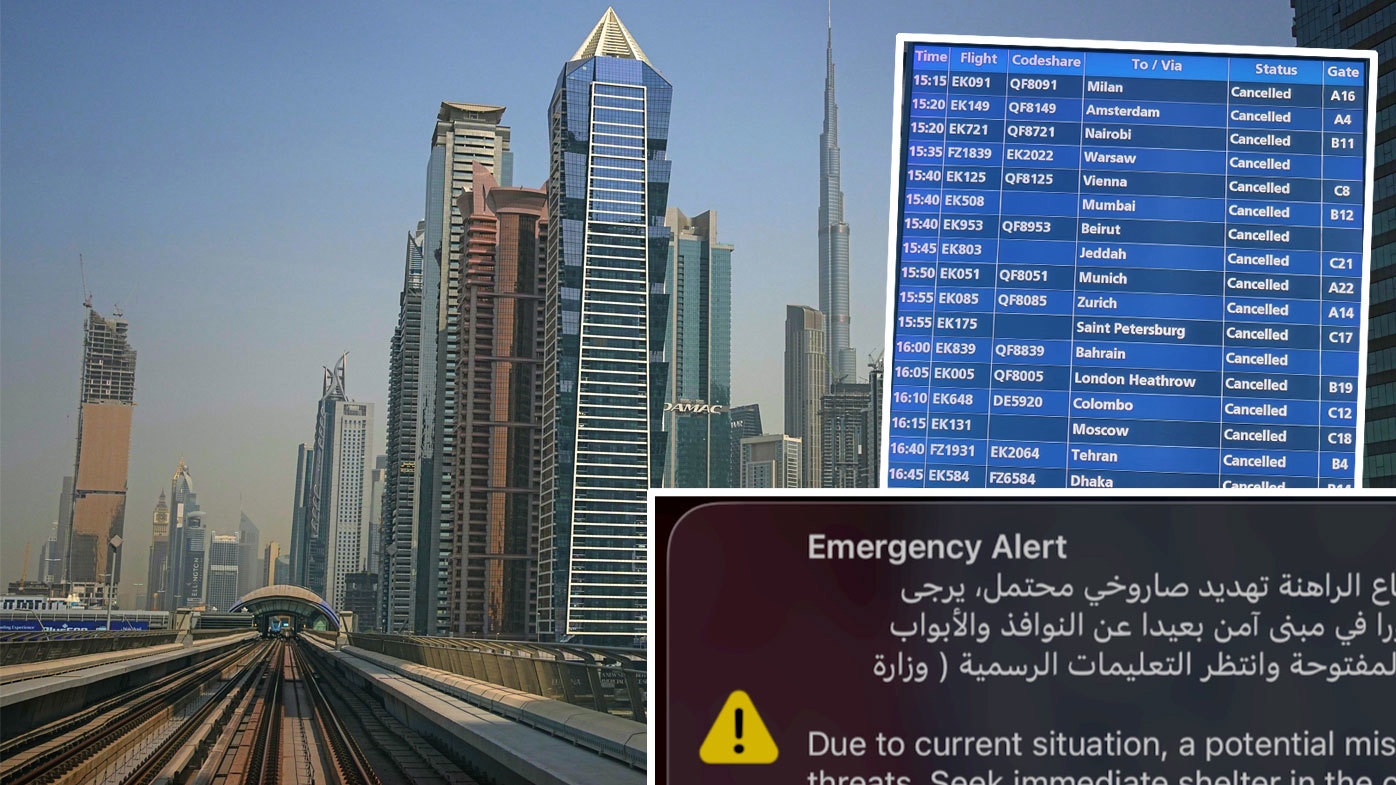
Stop refreshing your inbox for a "travel advisory" that will never come in time. The mainstream travel press is currently feeding you a steady diet of hand-holding nonsense about how to "gracefully" navigate flight cancellations between India, the UAE, and Israel. They want you to believe that if you just follow the "standard procedure" with Air India or Emirates, you’ll be made whole.
They are lying to you.
The industry standard advice—check your app, call the helpline, wait for a refund—is a recipe for being stranded in a terminal eating $15 sandwiches while your capital evaporates. When missiles fly and airspaces over Tehran or Tel Aviv go dark, the "Contract of Carriage" becomes a weapon used against you, not a shield for your wallet.
The Refund Myth and the Liquidity Trap
Most "experts" tell you that if an airline cancels your flight due to "operational reasons" or "force majeure," you are entitled to a refund. While technically true under various civil aviation regulations, this advice ignores the velocity of money.
When a regional conflict triggers mass cancellations across IndiGo, Etihad, and Qatar Airways simultaneously, these carriers don't just hand back your cash. They initiate a bureaucratic war of attrition. They will offer you a "travel voucher" valid for one year. They will tell you the refund "process" takes 15 to 30 business days.
In a crisis, a refund in 30 days is a zero-interest loan you just gave to a multi-billion dollar corporation.
If you take the voucher, you’ve surrendered your leverage. You are now a captive customer to an airline that has already proven it cannot fulfill its primary obligation. If you demand the cash, they bury you in a queue. The contrarian move? Don't wait for the cancellation. If the tension is spiking, cancel first if your fare class allows, or move your capital to a carrier with a fleet that isn't bottlenecked by the specific geography of the conflict.
Why Your Travel Insurance is a Paperweight
"Just make sure you have comprehensive travel insurance," the pundits say. This is perhaps the most egregious piece of misinformation in the travel industry.
Read the fine print of your policy. Look for the "Act of War" or "Hostilities" exclusion clause. Most standard policies—the ones you check a box for during checkout—specifically exclude claims arising from war, whether declared or undeclared, or even the threat of such conflict.
If Air India cancels your flight because the DGCA (Directorate General of Civil Aviation) has closed a flight path due to regional instability, the insurance company will argue this is a government-mandated disruption, not a covered "mechanical failure" or "personal emergency." You are paying for a safety net that is pulled away the moment the ground starts shaking.
The Insider Reality Check:
- Standard Insurance: Covers you if you get the flu.
- Conflict Reality: Covers almost nothing involving geopolitical "Force Majeure."
- The Solution: You need "Cancel for Any Reason" (CFAR) coverage. It costs 40% more and you'll only get 75% of your money back, but 75% in hand beats 100% of a denied claim.
The Rerouting Fallacy
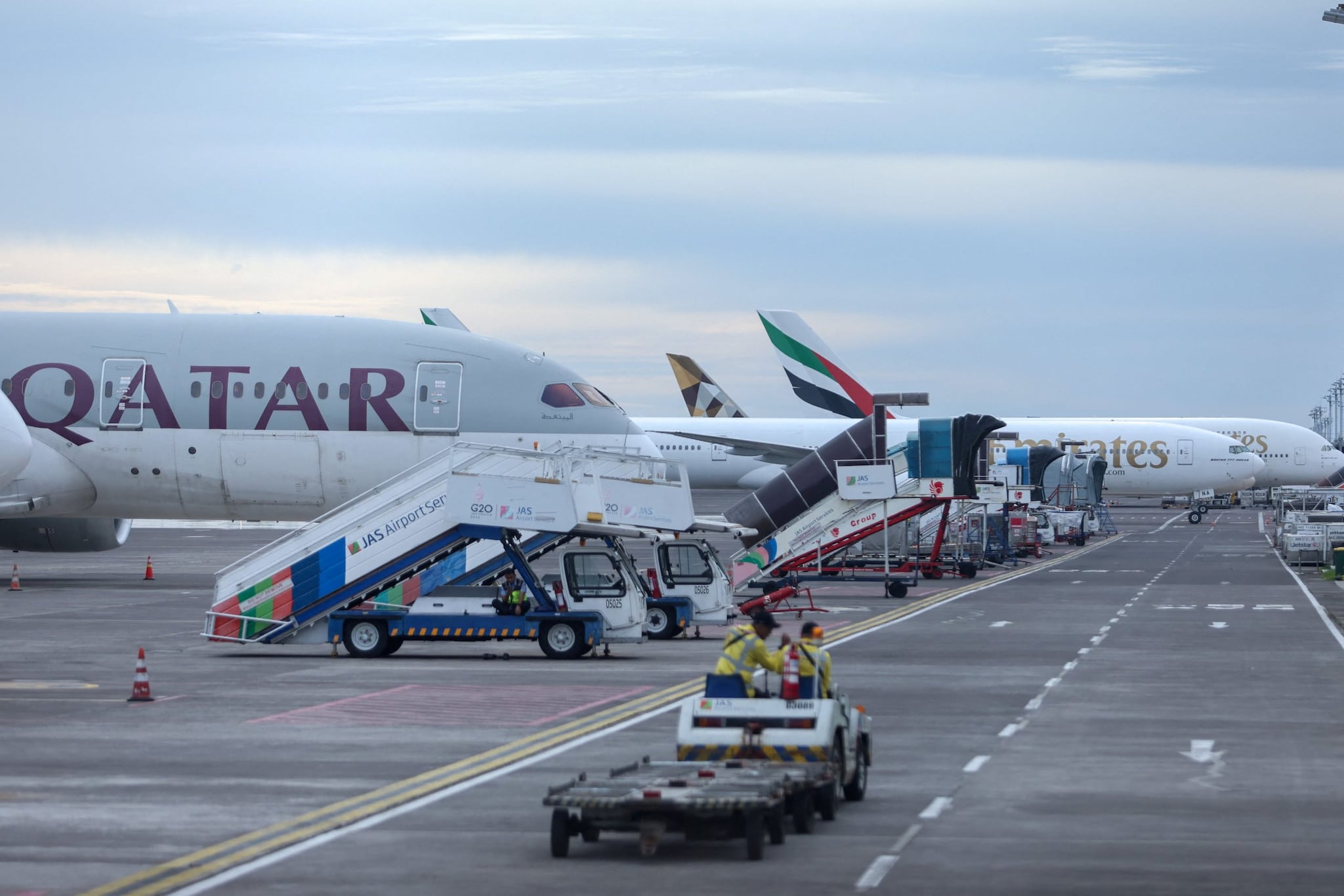
Airlines like Emirates and Etihad are masters of the "hub and spoke" model. This is great for efficiency, but it’s a single point of failure during a Middle East war. When the corridor between the Gulf and Europe tightens, everyone tries to squeeze through the same narrow gates.
The "lazy consensus" says to wait for the airline to rebook you. This is a loser’s game. The airline's automated system will prioritize passengers based on:
- Frequent flyer status (The "Elites").
- Fare class (The "Full Price" flyers).
- Loyalty to the metal (Those who booked direct).
If you booked through a third-party aggregator like Expedia or some "budget" portal to save $50, you are at the bottom of the food chain. The airline will tell you to "contact your travel agent." The travel agent will tell you "the airline has control of the ticket."
I have seen travelers spend 14 hours in a loop between these two entities while the last available seats on a flight through a safe corridor—like flying via Singapore or Addis Ababa—disappear.
Stop waiting for the rebooking email. If your flight is scrubbed, the seat you need is already being sold to someone else in real-time. Buy a new ticket on a different, unaffected carrier immediately. Fight for the refund of the old ticket later. Speed is more valuable than the $800 you're trying to "save" by waiting for a free rebooking that won't happen for three days.
The Geography of Ignorance
Most passengers don't understand flight paths. They see a map and think a flight from Delhi to London goes in a straight line. It doesn't. It skirts airspaces based on overflight fees and safety protocols.
When Israel and Iran trade blows, the "security" of your flight isn't just about the departure and arrival city; it’s about the 30,000 feet in between. Airlines like El Al have missile defense systems (C-Music) on their planes. Your domestic carrier does not.
The contrarian move here is counter-intuitive: sometimes, the carrier "at the center" of the conflict is the safest and most reliable because they have the most sophisticated intelligence and the highest incentive to keep flying. While Air India might cancel because they lack the intel, a local carrier might keep the corridor open with precision.
Stop Asking "When Will It Be Normal?"
The "People Also Ask" sections of the internet are filled with variations of: "Is it safe to fly to Dubai next week?"
This is the wrong question. Safety is a binary that airlines decide for you—if it weren't "safe," the plane wouldn't take off because the insurance premiums for the hull would be too high for the airline to afford.
The real question is: "Can I afford the time-cost of a 72-hour delay?" If you are flying for a wedding, a funeral, or a multi-million dollar closing, and you are routing through a conflict zone during a flare-up, you are gambling with your most non-renewable resource. The "industry" wants you to keep booking because their KPIs depend on load factors. I'm telling you to look at the map. If the flight path requires a pilot to make a split-second decision about a "suspicious radar return," take the long way around. Fly West via the Pacific or go deep South.
The Loyalty Program Lie
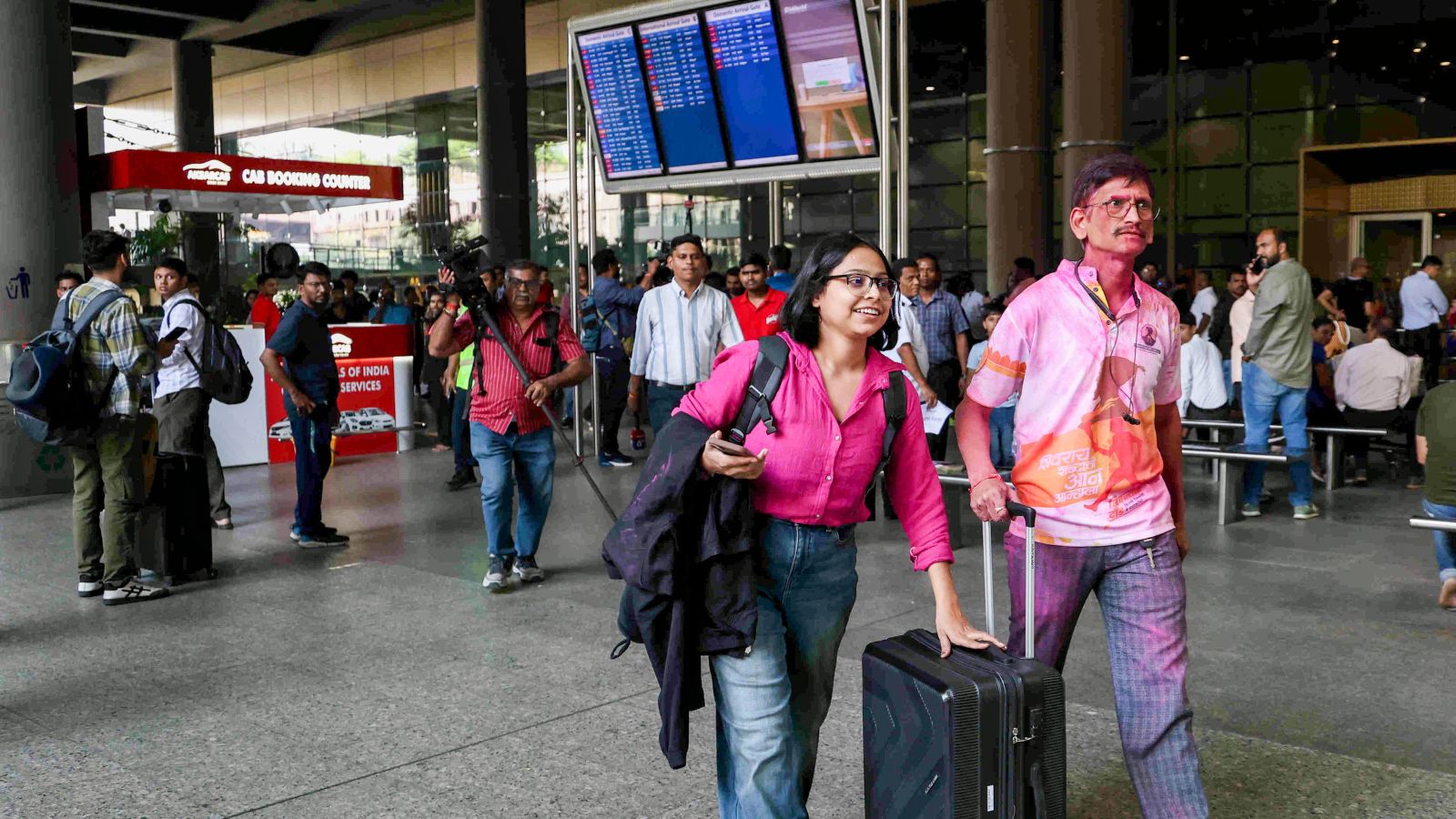
During a crisis, your "Silver" or "Gold" status is a psychological trick. Airlines use these tiers to keep you "loyal" while they fail you. I’ve watched "Platinum" members scream at gate agents in Dubai as if their plastic card could reopen closed airspace. It can't.
Status only matters when things are 95% normal. When things are 0% normal, the only status that matters is "Passenger with a New Ticket on a Different Airline."
Tactical Instructions for the Disrupted
If you find yourself caught in the middle of the next Iran-Israel escalation, ignore the "refund and rebook" guides. Do this instead:
- Ditch the Aggregator: If you didn't book directly with the airline, you don't have a ticket; you have a suggestion. In a conflict, aggregators are a layer of insulation the airline uses to ignore you.
- The "Two-Hemisphere" Rule: Always have a backup route planned that does not cross the affected longitude. If you're going India to Europe, your backup isn't "another airline" through the Gulf. It's a flight through Tashkent, or a massive detour through South East Asia.
- Chargeback as a Last Resort: If an airline refuses a refund for a cancelled flight and tries to force a voucher on you, stop arguing. Document the refusal and initiate a credit card chargeback for "Services Not Received." It is faster and more effective than any "Customer Relations" tweet.
- Monitor the NOTAMs: Don't wait for the news. Check "Notices to Air Missions." If you see a flurry of NOTAMs closing waypoints in your path, your flight is already dead; the airline just hasn't told the gate agents yet. Use that 30-minute window to book the last seat on the alternative.
The travel industry is built on the illusion of "seamless" global connectivity. Geopolitics is the reality that shatters that illusion. You can either be the person crying at the desk because you followed the "official" refund guide, or you can be the person already landing at your destination because you understood that the airline's priority is their fleet, not your schedule.
The airline doesn't owe you a vacation. They owe you a seat from Point A to Point B, and "War" is the ultimate "Get Out of Jail Free" card they use to cancel that debt. Stop playing a game where the rules are written by the house. If the sky is falling, stop looking for a refund and start looking for a way out.
The next time you see a headline about "how to get a refund" during a war, remember: by the time you're reading it, the smart money has already left the airport.