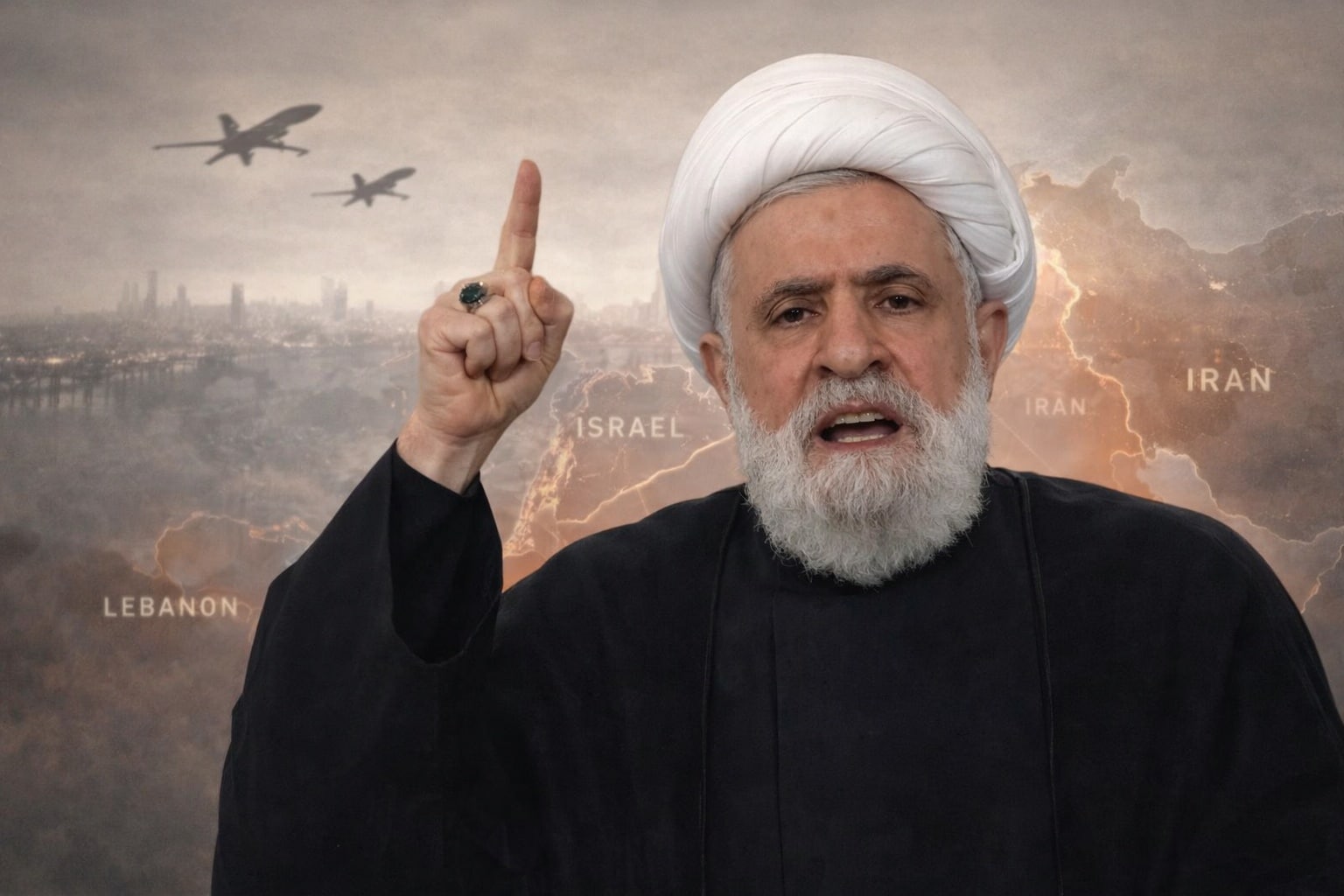
Israel didn't just hit missile factories in its latest strikes on Iran. They went after the brains behind the operation. While the headlines focus on the roar of F-15s and F-35s over Tehran, the real story lies in the quiet, devastating precision of who was standing in those buildings when the munitions hit. We're looking at a massive blow to the Islamic Revolutionary Guard Corps (IRGC) intelligence apparatus that'll take years to rebuild.
The October 26 strikes, officially dubbed Operation Days of Repentance, were supposedly a "measured" response to Iran's ballistic missile barrage earlier in the month. But "measured" is a relative term. For the families of the four Iranian soldiers initially reported killed, and for the high-ranking intelligence officials now confirmed as casualties by Israeli sources, it was anything but subtle. Israel targeted the S-300 air defense systems and missile production sites, but they also hit command centers where the IRGC’s top thinkers coordinate with proxies like Hezbollah and Hamas.
Why These Particular Deaths Matter More Than Hardware
Losing a battery of S-300s is expensive. Losing a veteran intelligence officer is a strategic catastrophe. You can buy more hardware from Russia—assuming they have any to spare—but you can't download thirty years of operational memory into a new recruit.
Reports surfacing from Israeli defense circles indicate that several key figures in the IRGC's intelligence wing were killed during the waves of strikes. These weren't just guys sitting behind desks. These were the facilitators who managed the logistics of moving weaponry through the "land bridge" to Syria and Lebanon. When you remove these individuals, the entire network stutters. Communication breaks down. Trust evaporates.
The IDF didn't just get lucky. This level of precision suggests a massive intelligence failure within the Iranian regime. To hit specific offices within a sprawling military complex while avoiding nearby civilian infrastructure requires "blueprints-on-the-table" level of detail. It sends a chilling message to the remaining leadership: We know where you sit. We know which room you're in.
The Myth of the Impenetrable Iranian Air Defense
For years, Tehran boasted that the S-300 "Favorite" system made their airspace a no-go zone for the Israeli Air Force (IAF). That myth died on a Saturday morning. The IAF flew over 1,600 kilometers, operated in Iranian airspace for hours, and returned without losing a single aircraft.
It wasn't just about stealth technology. It was about a systematic dismantling of the "eyes" of the Iranian military. By targeting the radar arrays and command-and-control nodes first, Israel essentially blinded the IRGC before the heavy hitters moved in to take out the missile mixing facilities. This wasn't a dogfight. It was a surgical extraction of Iran's ability to see or hit back.
When the dust settled, the "Planetary" mixers used for solid-fuel ballistic missiles—high-end equipment that Iran cannot easily replicate or replace—were in ruins. Experts at the Middlebury Institute of International Studies and other satellite imagery analysts have identified significant damage at the Parchin and Khojir military bases. These sites are the heart of Iran's missile program. Without those mixers, Iran's ability to replenish its stockpile of Fattah-1 or Kheibar Shekan missiles is crippled for at least a year.
The Psychological Toll on the IRGC
Imagine being an IRGC official right now. You've watched Israel take out Ismail Haniyeh in a secure guesthouse in the heart of Tehran. You've watched them decimate Hezbollah’s entire senior leadership in a matter of weeks. Now, they’ve flown through your "impenetrable" defenses to kill your colleagues in their own offices.
The paranoia in Tehran must be suffocating. Every phone, every pager, and every person in the room is a potential liability. This "intelligence war" is being won by Israel through a combination of high-tech signals intelligence (SIGINT) and old-school human intelligence (HUMINT). The fact that Israel could identify the exact locations of intelligence officials during a high-alert period suggests that the IRGC is compromised at a very high level.
What This Means for the Regional Proxy War
Iran's "Axis of Resistance" relies on a steady flow of instructions and funding from Tehran. With the intelligence leadership in flux, the coordination with groups like the Houthis in Yemen or militias in Iraq becomes fragmented.
- Slowdown in Weapons Transfers: The people who knew the secret routes and the "fixers" on the ground are gone.
- Shift in Tactics: Expect Iran to lean harder on cyberattacks and asymmetric "gray zone" tactics while they try to repair their physical defenses.
- Internal Purges: The Iranian regime will likely turn inward to find the "moles" who provided the targeting data, leading to further instability within their own ranks.
The strikes weren't just a retaliation for 200 missiles. They were a demonstration of total dominance. Israel showed it can hit the most sensitive parts of the Iranian state whenever it chooses.
The Hard Reality for Tehran
The IRGC is now facing a dilemma. If they retaliate again, they risk an even more aggressive Israeli response that could target their oil refineries or nuclear facilities. If they don't, they look weak to their proxies and their own hardliners.
They're stuck between a rock and a very high-precision hard-point bomb. The deaths of these intelligence officials signify that the "shadow war" is no longer in the shadows. It’s out in the open, and right now, Tehran is losing.
If you're following these developments, look past the official state media reports from Tehran that claim "minimal damage." Look at the satellite imagery of Parchin. Look at the funeral notices for "martyred" officers that start appearing in local Iranian papers. That's where the real story lives. The next step for anyone analyzing this conflict is to monitor the Iranian domestic response—specifically whether they begin a series of internal "security audits" that usually signal a panicked hunt for informants. Watch the reshuffling of the IRGC-QF leadership; those new names will be the next targets on the list.