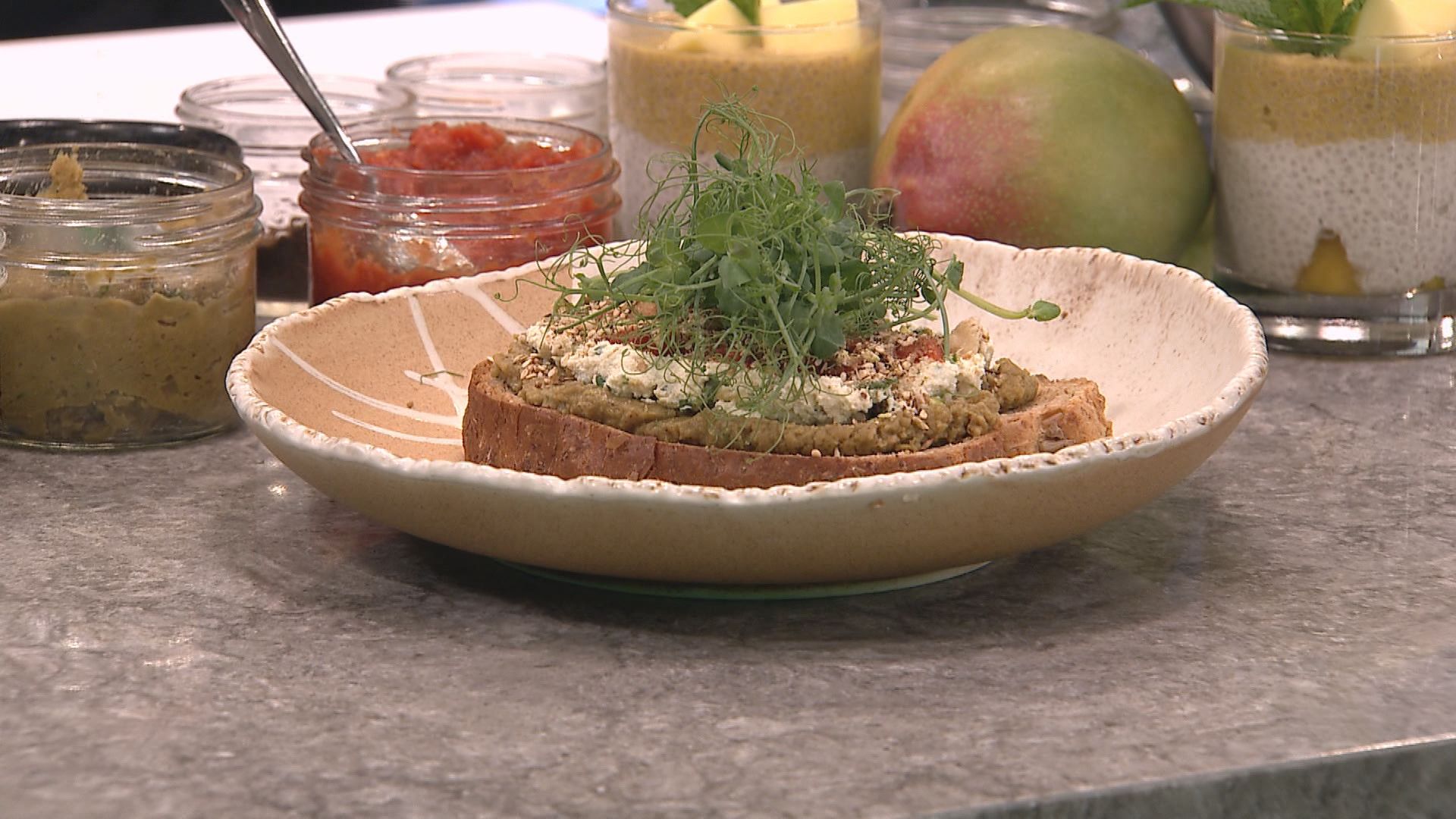
The traditional breakfast industry is built on a foundation of eggs and cured meats that many modern diets simply cannot sustain. For years, the plant-based alternative to the morning scramble was a dry, crumbly mess of firm tofu that tasted more like a sponge than a meal. This failure wasn't just a culinary oversight; it was a fundamental misunderstanding of food chemistry. By treating tofu like a direct substitute for solid eggs, home cooks and professional chefs alike ignored the ingredient's true potential as a high-protein, emulsified base. The solution isn't to fry it, but to break it down entirely. Whipped tofu has emerged as the definitive answer to the vegan breakfast problem, offering a velvet-like texture that mimics the luxury of soft-scrambled eggs or heavy ricotta without the cholesterol or the digestive heavy lifting.
The Chemistry of the Curd
To understand why your previous attempts at plant-based breakfasts tasted like cardboard, you have to look at the structural engineering of the soybean. Tofu is essentially a stable emulsion of protein, fat, and water. When you press it and fry it, you are removing the moisture that gives the protein its pliability. This results in the "rubbery" texture that has plagued vegetarian menus since the 1970s. For a different look, see: this related article.
Whipped tofu reverses this process. By introducing mechanical shear through a high-speed blender or food processor, you are rearranging the protein strands. This isn't just "blending" food; it is an act of culinary reconstruction. When you incorporate air and a secondary fat source—like extra virgin olive oil or a splash of tahini—the tofu transforms into a stable foam. This aerated structure is what provides that mouthfeel usually reserved for dairy-heavy spreads.
The industry term for this is micro-particulation. By reducing the particle size of the soy solids, you increase the surface area that hits your taste buds. This is the secret to why whipped tofu tastes "richer" even if the calorie count remains low. It is a biological hack that satisfies the brain's craving for high-fat textures while delivering a dense hit of amino acids. Further reporting regarding this has been shared by Cosmopolitan.
Debunking the Soy Myth
There is a lingering narrative that soy-based proteins are somehow inferior or nutritionally incomplete compared to animal products. This is an outdated perspective rooted in early 20th-century marketing rather than 21st-century science. Tofu contains all nine essential amino acids. It is a complete protein.
The real issue isn't the protein; it's the bioavailability. Your body processes plant proteins differently than it does animal proteins. To maximize the efficiency of a tofu-based breakfast, you need to pair the dish with specific catalysts. Vitamin C, for instance, significantly increases the absorption of the non-heme iron found in soy. This is why a squeeze of lemon juice or a side of sliced tomatoes isn't just a garnish; it’s a functional requirement for a high-performance diet.
Furthermore, the "estrogen" scare surrounding soy has been largely dismantled by longitudinal studies. The isoflavones in soy are phytoestrogens, which are structurally different from the human hormone. In reality, moderate soy consumption has been linked to lower rates of certain cancers and improved cardiovascular health. We are moving past the era of fear-based nutrition and into an era of functional density.
The Professional Method for Whipped Tofu
The amateur mistake is using silken tofu exclusively. While silken tofu provides smoothness, it lacks the structural integrity to hold air. It turns into a soup. For a breakfast that actually stays on your toast or holds its shape under a poached tomato, you need a hybrid approach.
The Component Ratio
The most successful version of this dish uses extra-firm tofu as the anchor and a small amount of liquid—either unsweetened nut milk or a high-quality oil—to facilitate the emulsion.
- The Base: 14 ounces of extra-firm tofu, drained but not pressed. You want some internal moisture.
- The Emulsifier: 2 tablespoons of nutritional yeast. This provides the "umami" profile that mimics the depth of aged cheese.
- The Acid: 1 tablespoon of lemon juice or apple cider vinegar to brighten the heavy proteins.
- The Seasoning: 1/4 teaspoon of Kala Namak (Himalayan black salt).
The black salt is the non-negotiable variable. It contains sulfur compounds that provide the unmistakable scent and flavor of eggs. Without it, you are just eating bean paste. With it, you are engaging in a sophisticated sensory deception.
Execution Under Pressure
Processing time matters. Most people stop blending once the lumps are gone. This is a mistake. You must continue to process the mixture for at least two to three minutes. This extended shear time is what incorporates the air bubbles necessary for a "whipped" consistency. The friction from the blades will also slightly warm the tofu, which helps the fats and proteins bond more effectively.
If the mixture feels too dense, do not add water. Water thins the flavor and breaks the emulsion. Use a tablespoon of olive oil. The fat molecules will coat the soy proteins, creating a gloss and a luxurious finish that water cannot provide.
Beyond the Toast
The market is currently saturated with "avocado toast" clones. It is a tired trend that has reached its saturation point. Whipped tofu offers a more complex, satisfying alternative that serves as a blank canvas for high-level flavor layering.
Consider the Middle Eastern approach. Top the whipped tofu with za'atar, charred cherry tomatoes, and a heavy drizzle of chili oil. The heat from the oil cuts through the density of the tofu, while the herbs provide an earthy counterpoint.
Alternatively, look toward Japanese flavor profiles. A fold of miso paste into the whipped base creates a savory depth that rivals any hollandaise sauce. Top this with furikake and pickled ginger for a breakfast that triggers the "savory" receptors early in the day, which has been shown to regulate blood sugar levels better than a carbohydrate-heavy start.
The Economics of the Morning Meal
From a purely financial standpoint, tofu is one of the most undervalued assets in the grocery store. While the price of high-quality, pasture-raised eggs has fluctuated wildly due to supply chain instability and avian flu outbreaks, tofu prices have remained remarkably stagnant.
A single block of tofu can provide two to three servings of whipped breakfast base at a fraction of the cost of premium eggs or artisanal cheeses. For the consumer, this is an exercise in fiscal efficiency. You are getting more protein per dollar without sacrificing the "luxury" experience of a gourmet meal.
The Texture Gap
The reason most people fail to stick to a plant-based diet is the "texture gap." Human beings are evolutionarily programmed to enjoy the resistance of certain foods. If everything is soft or mushy, the brain doesn't register satiety in the same way.
This is why your whipped tofu must be paired with a high-contrast element. Do not serve it on soft bread. Use a sourdough that has been toasted until it reaches a level of structural rigidity. The "snap" of the bread followed by the "give" of the whipped tofu creates a sensory experience that mimics the complexity of traditional animal-based dishes.
Add seeds, nuts, or flash-fried capers. The goal is to create a multi-dimensional plate. If you treat this like a health food, it will taste like one. If you treat it like an engineering project, it will be a revelation.
Addressing the Processed Food Trap
Critics often argue that plant-based diets rely too heavily on "ultra-processed" meat substitutes. This is where whipped tofu shines as a clean-label alternative. Unlike laboratory-grown burgers or soy-isolate sausages that contain a laundry list of stabilizers and artificial flavorings, whipped tofu is a whole-food product.
You are taking a traditional, fermented, or curdled bean product and using mechanical force to change its shape. There are no chemical additives required. It is the definition of "clean" eating, provided you are sourcing organic, non-GMO soy to avoid the pesticide residues often associated with mass-scale industrial farming.
The Environmental Mandate
We cannot ignore the logistical reality of egg production. The caloric conversion ratio—the amount of feed required to produce one calorie of egg—is significantly higher than the ratio for soy. By shifting even two breakfasts a week to a tofu-based model, the reduction in water usage and nitrogen runoff is quantifiable.
This isn't about activism; it's about resource management. As global populations grow and arable land becomes a premium commodity, the efficiency of soy protein makes it an inevitable staple of the future. Getting ahead of the curve now by mastering these techniques isn't just a culinary trend; it’s a form of future-proofing your lifestyle.
The Immediate Pivot
Stop buying the pre-flavored, "scrambled" tofu packs in the refrigerated section. They are overpriced and rely on low-grade thickeners. Purchase a high-quality block of extra-firm tofu, get your food processor out, and commit to the three-minute blend.
The transition from a solid curd to a silken, whipped cloud is a metaphor for the evolution of the modern diet. We are moving away from the crude and the heavy toward the refined and the efficient.
Start with the basic emulsion of tofu, lemon, and black salt. Once you have mastered the base, begin experimenting with fat sources—walnut oil, avocado oil, or even a touch of sesame. The kitchen is a laboratory, and the soybean is your most versatile element.
Get the black salt today. Blend longer than you think you need to.