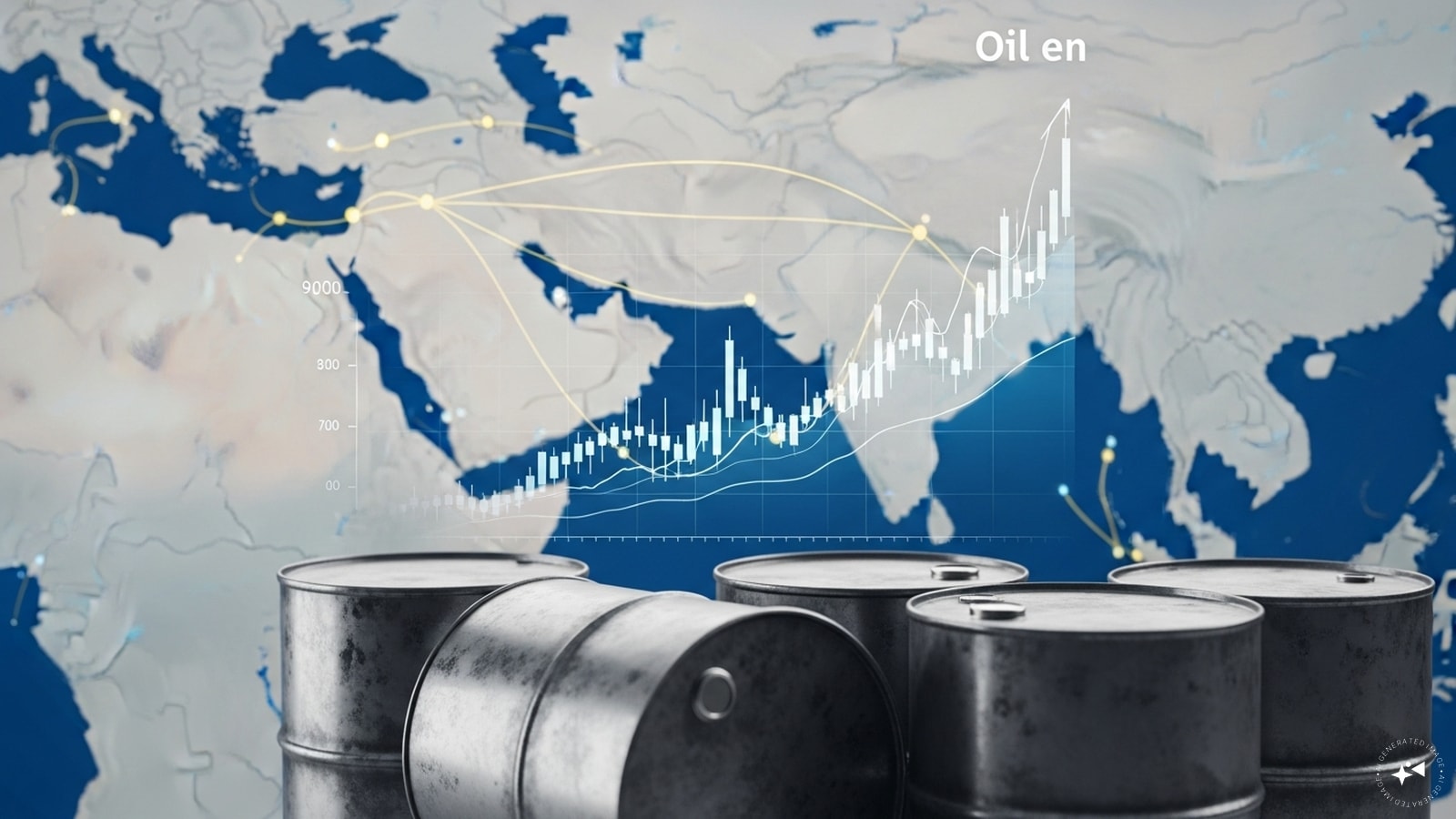
The headlines are screaming about a global apocalypse. They tell you that a hot war between the US, Israel, and Iran will shutter every port from Dubai to Rotterdam, send oil to $300 a barrel, and vaporize your digital life as undersea cables are severed in the crossfire.
It is a beautiful, cinematic disaster. It is also fundamentally wrong.
Most analysts are fighting the last war. They look at 1973 or 1979 and assume the global economy is still a fragile glass ornament waiting to be shattered by a single kinetic event in the Persian Gulf. I have spent two decades dissecting supply chains and energy flows. I have seen the "end of the world" priced into markets six times in the last decade alone. Each time, the doom-mongers missed the structural shifts that make the modern world far more resilient—and far more cold-blooded—than their spreadsheets suggest.
The Hormuz Hoax
The most tired trope in geopolitics is the "closure" of the Strait of Hormuz. We are told that Iran can simply turn off the world’s taps by sinking a few tankers or mining the channel.
Here is the reality: the world doesn't need that oil as much as the headlines claim.
In the 1970s, the US was a desperate importer. Today, the US is the world’s swing producer. Between the Permian Basin and the strategic shifts in Canadian and Brazilian output, the "energy independence" dream is no longer a political talking point—it is a logistical fact. If Hormuz closes, the shock is a three-week spike, not a three-year depression.
Furthermore, the "choke point" logic ignores the sheer desperation of the players involved. Iran’s economy is a pressurized vessel. They cannot afford to stop selling what they produce, even if they have to smuggle it through backchannels to China. Beijing, the largest buyer of Iranian "tears," will not allow their primary energy source to be permanently cauterized by a regional skirmish. The moment Iran actually threatens the flow to China, they lose their only remaining superpower lifeline.
Markets aren't afraid of a closed strait; they are afraid of the uncertainty of a closed strait. Once the shooting starts, the uncertainty vanishes. The logistics industry pivots. We’ve seen this with the Red Sea and the Houthi rebels. Did global trade stop? No. It got slightly more expensive and found a different way around.
The Data Cable Delusion
The "Digital Dark Age" theory is another favorite of the alarmist crowd. They claim that if the undersea cables in the Mediterranean or the Arabian Sea are cut, the global internet collapses.
This ignores the fundamental architecture of the mesh network. I have seen how cloud providers like AWS and Google have over-provisioned their backbone infrastructure precisely because they don't trust the stability of the Middle East. If a cable goes dark, traffic reroutes through the Pacific and the Atlantic. Latency might increase by 40 milliseconds. Your Netflix might buffer for an extra second. Your high-frequency trading algorithm might lose a fractional advantage.
But the world does not stop spinning.
The idea that a regional war can "delete" global data is a misunderstanding of how distributed systems work. We are no longer living in the era of a single telegraph line. We are living in an era of massive, redundant, satellite-backed connectivity. Starlink alone has rendered the "cut the cable" strategy a nuisance rather than a death blow.
Why Markets Love the Chaos They Claim to Hate
You will see the S&P 500 dip on the news of the first missile strike. The media will call it a "crash."
It’s an entry point.
History is clear: markets bottom out at the start of a conflict, not the middle. Once the parameters of the war are defined, capital seeks out the winners. Defense contractors, cybersecurity firms, and North American energy players don't just survive these wars; they thrive on them.
The "global fallout" the competitor article warns about is actually a massive redistribution of wealth from the unstable East to the stable West. It accelerates the decoupling from fragile regimes. It forces companies to stop talking about "just-in-time" supply chains and actually invest in "just-in-case" infrastructure.
The Port Panic is Overblown
People point to Jebel Ali or Haifa and say, "If these ports go, the world's goods stop moving."
Consider the "Containerization Paradox." Shipping is the most adaptable industry on earth. If a port is bombed, the cargo doesn't vanish. It diverts. We saw this during the pandemic when ports were "closed" by policy rather than bombs. The result was a massive backlog, yes, but it also triggered an unprecedented surge in logistics technology and automation.
A war in the Middle East is the ultimate stress test that the shipping industry has already been studying for. The "fallout" is a temporary logistical headache, not a permanent economic paralysis.
The Iran "Ghost" Factor
The common consensus assumes Iran is a monolithic military power capable of sustained global disruption. This ignores the internal decay.
A country with 40% inflation and a crumbling domestic infrastructure cannot sustain a high-intensity war that impacts the globe for more than 90 days. Their strategy is asymmetrical because it has to be. They aren't going to sink the global economy because they are too busy trying to keep their own from evaporating.
When you hear about "global markets being hit," look at who is doing the hitting. It’s usually speculators in London and New York betting on the fear of others, not the reality of the supply chain.
Stop Asking if the War Will Start
The wrong question is: "What happens when the war starts?"
The right question is: "Why hasn't the war already priced itself in?"
The answer is that it has. The risk of a US-Israeli-Iranian conflict has been the "baseline" for twenty years. Every major insurance company, every global shipping conglomerate, and every sovereign wealth fund has already built the "Gulf War III" scenario into their ten-year projections.
The fallout isn't a surprise. It's a scheduled maintenance event for the global order.
The Brutal Truth About "Global Solidarity"
The competitor article suggests a world united in suffering.
The reality is far more cynical. While the Middle East burns, the rest of the world eats its lunch.
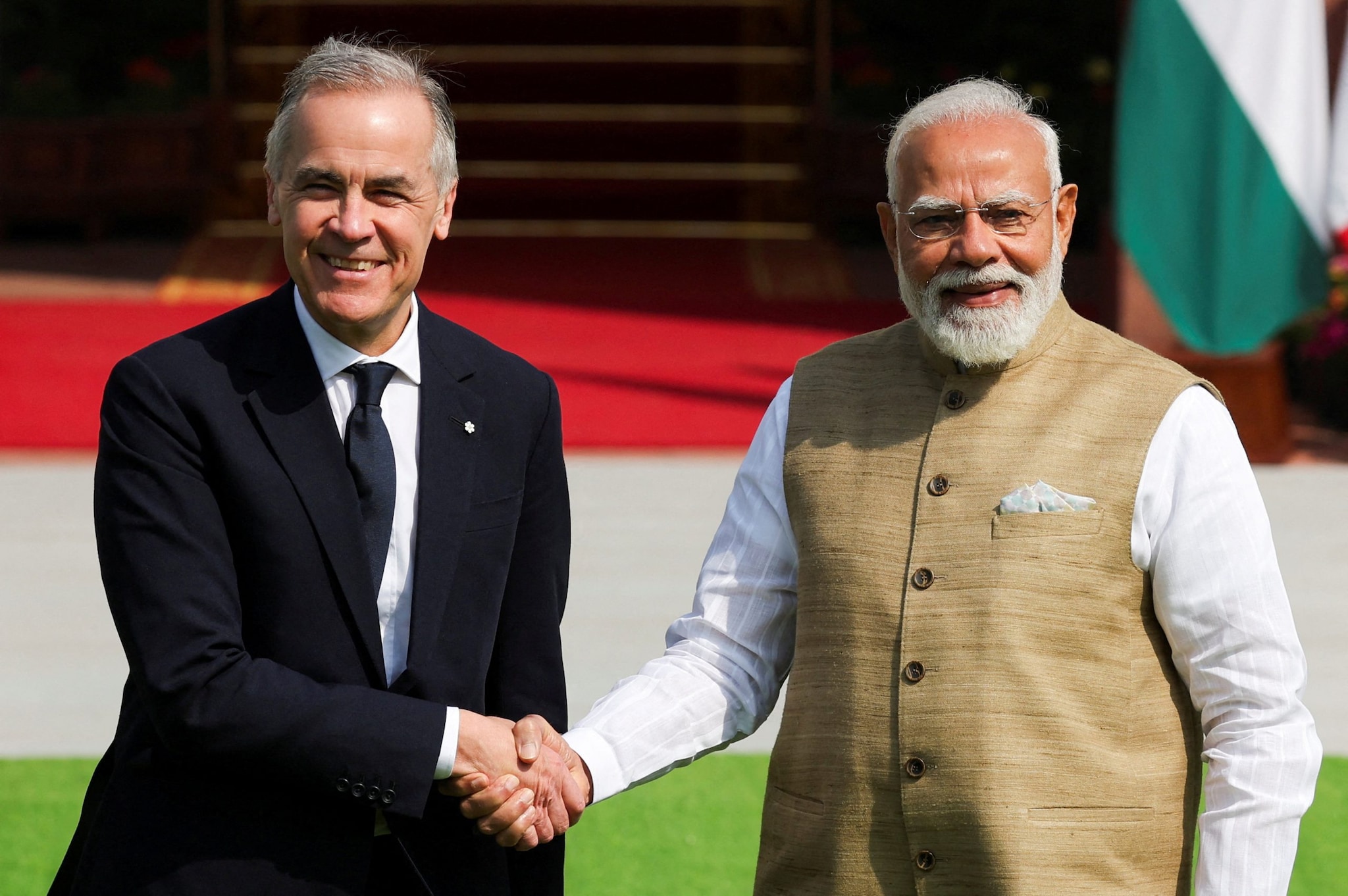
- India uses the chaos to negotiate better energy deals with Russia and the West.
- The US cements its role as the ultimate security guarantor and energy exporter.
- Mexico and Vietnam accelerate their takeover of manufacturing as "near-shoring" becomes a mandatory survival strategy rather than a trendy boardroom topic.
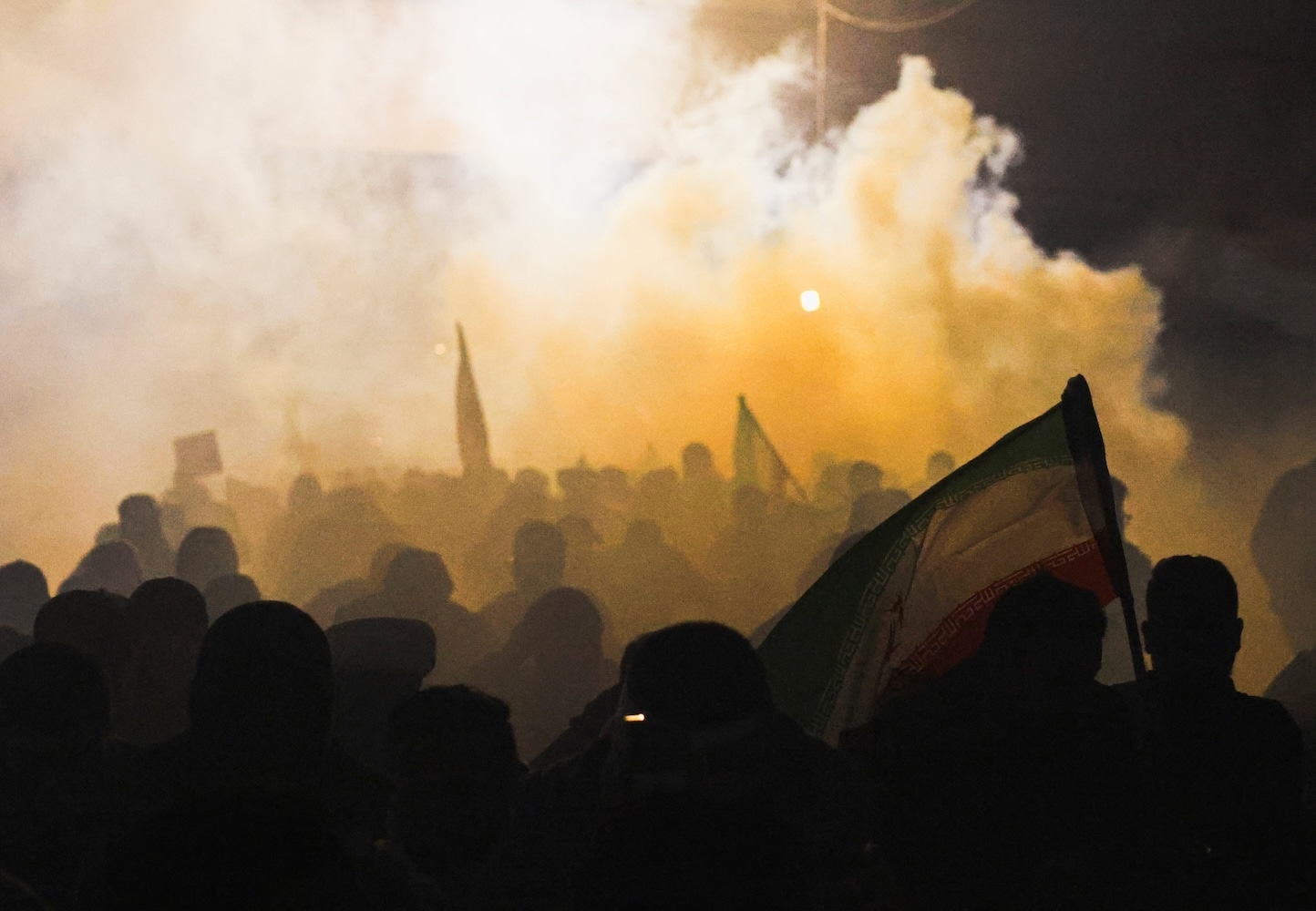
The "fallout" is local. The "impact" is regional. The "disruption" is an opportunity for those who aren't blinded by the smoke.
If you are waiting for the world to end because of a skirmish in the Levant, you have already lost. The system is designed to route around damage. It always has been. The only people who get hurt by "global fallout" are those who believe the headlines and pull their capital when they should be deploying it.
The world isn't a fragile web. It's a hydra. You cut off one head, and the logistics of the other two dozen simply get more efficient.
The war isn't the end of the market. It's just a change in the menu.
Stop looking for a collapse. Start looking for the reroute.