Fear-mongering sells better than biology. The recent wave of headlines linking GLP-1 receptor agonists like semaglutide and tirzepatide to osteoporosis and gout isn't a medical breakthrough. It's a masterclass in correlation-causation confusion. These "new findings" are being weaponized by a legacy healthcare system that is terrified of a world where chronic obesity is actually solved rather than just "managed."
If you lose 50 pounds in six months, your body is going to change. If you do it by running a marathon a day, starving yourself on celery juice, or taking a weekly injection, the physiological fallout of rapid weight loss remains constant. Attributing bone density drops to the drug itself, rather than the mechanical reality of unloading a skeletal system, is intellectually dishonest.
The Mechanical Fallacy of Bone Density
The argument goes like this: Patients on GLP-1s show a statistical decrease in bone mineral density (BMD). Therefore, the drug is toxic to bone.
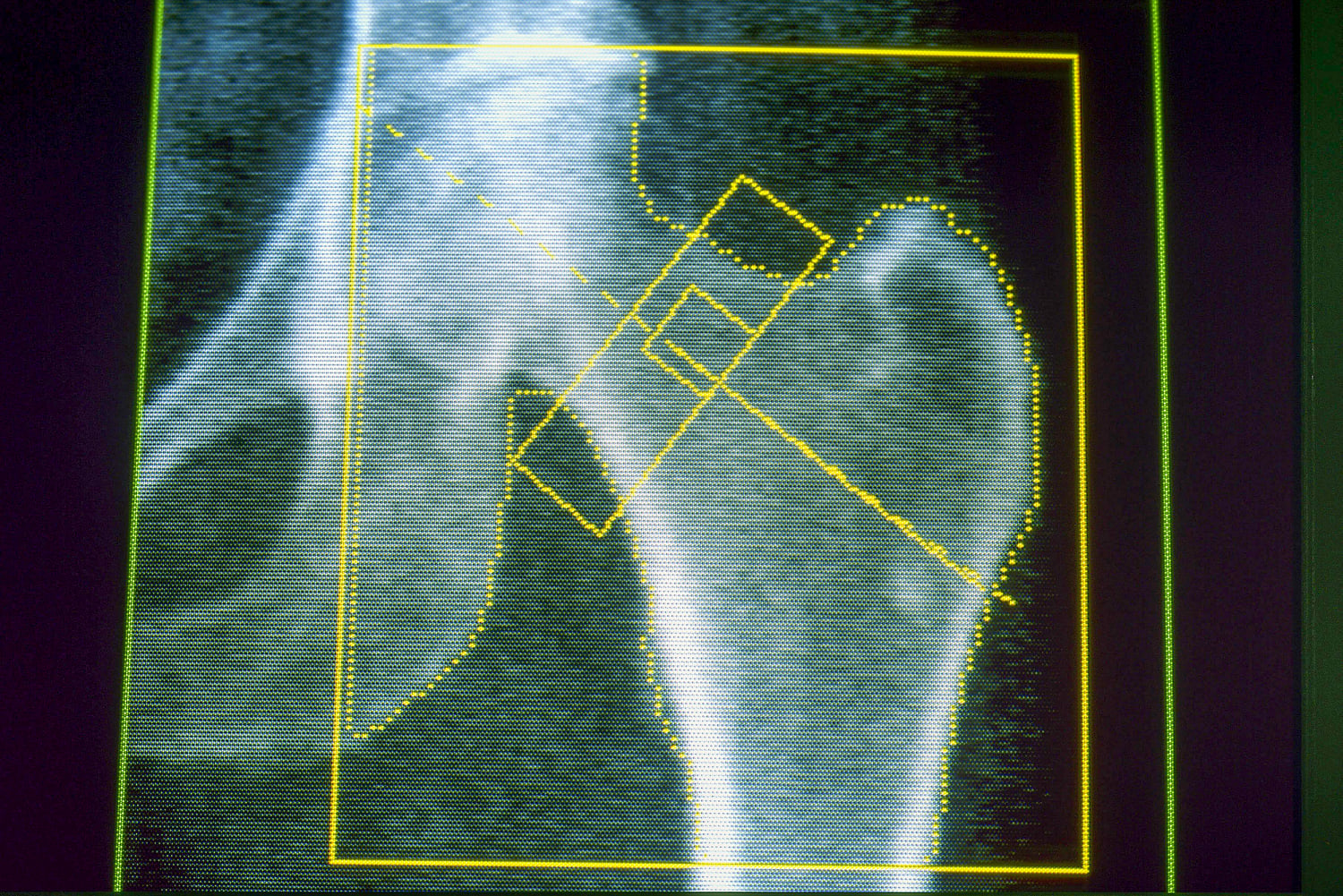
This is backward. Bone is living tissue that responds to load. If you weigh 300 pounds, your femur is reinforced like a skyscraper to handle that stress. When you drop to 200 pounds, your body stops investing resources into maintaining a skeleton built for a giant. This isn't "bone loss" in the pathological sense; it’s physiological optimization.
I’ve seen dozens of clinical reports where "concerning" BMD drops were actually just the body shedding excess structural weight. When you carry less, you need less bone. The real metric we should care about isn't BMD—it's fracture risk. Interestingly, the data on fractures in GLP-1 patients doesn't track with the scary BMD numbers. Why? because these patients are no longer falling over their own weight, their systemic inflammation is down, and their balance is up.
The Gout Paradox: Healing Hurts
The "gout risk" narrative is even more desperate. Gout is caused by uric acid crystals depositing in joints. When you lose fat rapidly—regardless of the method—your body breaks down tissues and releases stored purines. Your kidneys are also processing a massive influx of ketones and metabolic byproducts.
Yes, a GLP-1 might trigger a gout flare. So does fasting. So does the ketogenic diet. So does gastric bypass.
To blame the molecule for a gout flare is like blaming a firefighter for the water damage while they’re putting out a three-alarm blaze. The flare-up is a transient side effect of a massive, positive metabolic shift. We are trading a lifetime of chronic, systemic inflammation and heart failure for a temporary spike in uric acid that can be managed with a $10 bottle of allopurinol.
Sarcopenia is a Choice, Not a Side Effect
The most persistent "gotcha" used against GLP-1s is muscle wasting, or sarcopenia. Critics point to the fact that roughly 25% to 40% of weight lost on these drugs comes from lean mass.
Here is the truth: That is the exact same ratio seen in every calorie-restricted diet in human history.
The drug isn't "eating" your muscle. Your lack of protein intake and resistance training is. I’ve worked with clinicians who put their patients on high-protein protocols ($1.6g$ of protein per kilogram of body weight) and heavy lifting schedules while on tirzepatide. The result? They lose fat and gain muscle.
The "lazy consensus" wants you to believe the drug is a metabolic wrecking ball. In reality, it’s a tool that requires an operator. If you use a chainsaw to trim a hedge and you cut your arm off, you don't blame the gasoline.
The Gatekeepers of Suffering
Why is there such a push to highlight these "risks" now? Follow the money.
The "Health at Every Size" movement and the traditional diet industry are rare allies in this fight. One wants to protect the idea that weight is unchangeable; the other wants to keep you in a cycle of failed New Year's resolutions. GLP-1s break both models.
The medical establishment also struggles with the "too easy" factor. There is a deeply ingrained puritanical belief that weight loss must be a product of suffering and "willpower." If a peptide removes the "food noise" and makes the process efficient, the gatekeepers find ways to pathologize the success. They frame bone optimization as "bone loss" and metabolic transition as "gout risk."
The Real Risks Nobody Talks About
If we want to be honest about risks, let's talk about the ones that actually matter.
- Nutritional Bankruptcy: The suppression of appetite is so effective that patients forget to eat. This leads to micronutrient deficiencies that actually hurt bone health. This isn't the drug's fault; it's a failure of coaching.
- The "Skinny Fat" Trap: If you lose weight without lifting, you will end up a smaller version of your unhealthy self. You’ll have the metabolic profile of a fit person but the strength of a frail one.
- The Maintenance Gap: The industry hasn't figured out how to cycle people off these drugs without the "rebound." That is a legitimate concern. A gout flare is a footnote; a 50-pound weight regain is a catastrophe.
Dismantling the "New Research"
The competitor article cites "new research" without mentioning that these studies are often observational and fail to control for activity levels. They compare people on GLP-1s to people who aren't losing weight at all.
Of course the person staying at 300 pounds has denser bones than the person who just dropped to 220. They are still carrying an extra 80 pounds of stress! That isn't a health benefit; it's a structural necessity of being morbidly obese.
We need to stop looking at BMD in a vacuum. A slightly lower bone density in a body that is no longer pre-diabetic, no longer hypertensive, and no longer chronically inflamed is a trade anyone with a basic understanding of risk-reward would make.
Stop Asking if GLP-1s are "Safe"
"Safe" is a relative term. Is it safer to have slightly lower bone density or to have a BMI of 45? Is it safer to risk a gout flare or to succumb to non-alcoholic fatty liver disease?
The status quo media wants to keep you paralyzed by "what-ifs." They want you to wait for 20-year longitudinal studies while your arteries harden today. They are using the same tactics used against every major medical advancement: focus on a minor, manageable side effect to obscure a life-saving primary effect.
If you are worried about your bones while on a GLP-1, do the following:
- Stop reading clickbait articles.
- Eat 150 grams of protein.
- Pick up a heavy barbell and squat.
- Get a DEXA scan to track body composition, not just "weight."
The skeleton adapts to the demands placed upon it. If you want strong bones on semaglutide, give your bones a reason to stay strong. The drug gives you the caloric floor to finally fix your metabolism; the rest is your responsibility.
Stop treating metabolic health like a moral philosophy and start treating it like the biological engineering problem it is. The fear-mongers are losing the argument, and these "bone and gout" headlines are their last desperate attempt to keep you heavy, fearful, and profitable.
Go lift something heavy and stop worrying about your uric acid.