The heavy scent of rosewater and old paper hangs in the halls of Qom, where the future of a nation is often decided by men who haven't stepped into the sunlight for hours. In these corridors, power isn't measured in votes or viral clips. It is measured in the depth of one’s scholarship, the length of one's turban, and a specific, elusive title: Mujtahid.
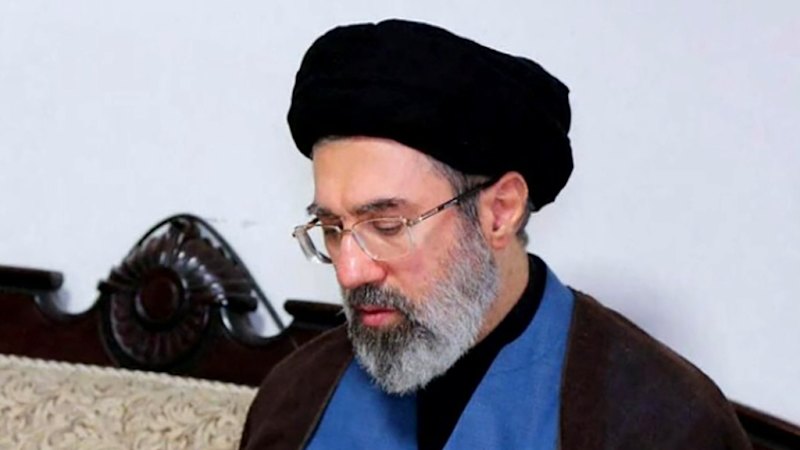
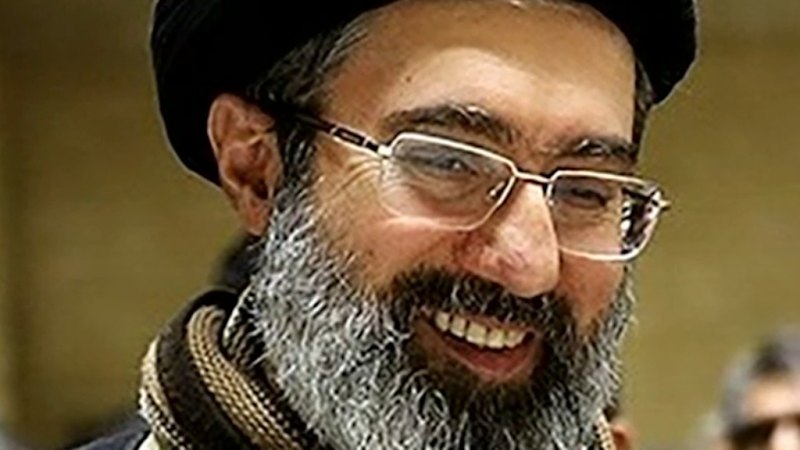
Mojtaba Khamenei, the second son of Iran’s Supreme Leader, knows these halls better than most. For decades, his name has been whispered in the bazaars of Tehran and the diplomatic backchannels of Riyadh and Washington. He is the shadow behind the throne, the gatekeeper of the Office of the Supreme Leader, and, to many, the natural heir to his father’s massive, absolute power. For another look, read: this related article.
But there is a problem. A technical, theological, and deeply human problem.
In the complex machinery of the Islamic Republic, being the son of the most powerful man in the country is a double-edged sword. It grants you access, yes. It gives you a seat at the table where the Revolutionary Guard and the clerics negotiate the fate of millions. However, the law of the land—the Velayat-e Faqih—demands something that cannot be inherited. It demands a level of religious expertise that Mojtaba, despite his years of study, simply may not possess. Further insight on this matter has been published by BBC News.
The Invisible Bar
To understand why Mojtaba is currently hitting a glass ceiling, one must understand the job description. The Supreme Leader of Iran is not just a political figurehead. He is the "Vali-ye Faqih," the guardian jurist. To hold that office, one must be a Marja—a source of emulation—or at least a high-ranking cleric capable of issuing independent legal rulings.
Think of it like a surgeon. You might be the son of the hospital’s founder. You might know every nurse by name and understand exactly how the budget works. You might even be a brilliant administrator. But if you don't have the medical degree to perform open-heart surgery, the board cannot, by its own bylaws, make you the Chief of Surgery.
In the eyes of the Assembly of Experts—the body of 88 aging clerics tasked with choosing the next leader—Mojtaba is essentially a talented administrator without the "medical degree." Reports from the heart of the seminary in Qom suggest that his peers and superiors do not view him as a top-tier scholar. He hasn't produced the seminal books. He hasn't spent decades winning the "intellectual wars" that define a true grand ayatollah.
This creates a visceral tension. On one side, you have the security apparatus—the IRGC—who want stability. They want someone they know, someone who will keep the ship upright and the funding flowing. Mojtaba is their man. On the other side, you have the religious traditionalists who fear that placing an "unqualified" man in the seat would strip the office of its last shreds of spiritual legitimacy.
The Ghost of 1989
History has a way of repeating itself in the most uncomfortable ways. When the current Supreme Leader, Ali Khamenei, took power in 1989, he faced a similar crisis of credentials. At the time, he wasn't even an Ayatollah; he was a Hojatoleslam, a lower-ranking cleric.
The laws had to be tweaked. The constitution was amended to lower the "scholarly" requirements so he could take the seat. It worked, but it left a scar. For thirty-five years, Khamenei has had to work twice as hard to prove his religious standing to the skeptical grandees of Qom.
Now, the elders look at Mojtaba and see a bridge too far. To lower the bar a second time for a son would turn a "theocratic republic" into something that looks suspiciously like a hereditary monarchy—the very thing the 1979 Revolution fought to destroy. The irony is thick enough to choke on. The men who overthrew the Shah are now terrified of looking like they’ve simply replaced one crown with a different style of turban.
A Life in the Shadows
Who is Mojtaba, really? If you searched for a video of him giving a speech, you’d find almost nothing. He doesn't hold a public office. He doesn't give interviews. He is a ghost.
This anonymity is intentional. It allows him to move pieces on the board without being blamed for the game’s failures. If the economy tanks or protests erupt, the public blames the President or the Supreme Leader. Mojtaba remains insulated.
But this insulation is also his weakness. To become the leader of a nation of 85 million people, you eventually have to step into the light. You have to command a room of skeptical, ego-driven generals and brilliant, stubborn theologians.
Imagine a hypothetical meeting in a quiet room in Tehran. On one side of the table sits a veteran commander of the Revolutionary Guard. He’s seen combat. He’s survived sanctions. He wants a leader who can maintain the status quo. Across from him sits a 90-year-old cleric from Qom who cares more about the purity of Islamic law than the price of oil.
The commander says, "Mojtaba is the only one who can keep the factions from killing each other."
The cleric replies, "If he cannot explain the nuances of fiqh to a student, how can he explain God’s will to a nation?"
This isn't just a debate about resumes. It’s a debate about the soul of a system.
The High Cost of the Family Name
There is a human tragedy buried under the political maneuvering. To be the son of a dictator—or a Supreme Leader—is to live in a cage, even if the bars are made of gold. Mojtaba has spent his life being groomed for a role that the law may never allow him to hold.
He is caught between his father’s legacy and his own limitations. If he pushes for the position and fails, he loses everything. If he succeeds by force or by "cheating" the religious requirements, he risks a civil war or a total loss of public faith in the system.
The stakes are invisible until they aren't. We see them in the fluctuating price of the Rial. We see them in the eyes of the young women in Tehran who have grown tired of old men debating laws that don't reflect their reality. We see them in the way the Revolutionary Guard has slowly begun to take over industries once managed by the clergy.
The Looming Choice
The Assembly of Experts is old. The Supreme Leader is older. The clock isn't just ticking; it's pounding.
If Mojtaba isn't "technically qualified," who is? The list is short, and the names on it are either equally controversial or painfully obscure. Ebrahim Raisi, once the frontrunner, is gone—swallowed by a mountainside in a helicopter crash that felt like a script from a Greek tragedy. His absence left a vacuum that Mojtaba was expected to fill.
But expectations aren't qualifications.
The clergy in Qom are digging in their heels. They understand that if they concede this point, if they allow a "dynasty" to form, the religious authority of the office evaporates. At that point, Iran stops being an Islamic Republic and becomes a military dictatorship with a religious aesthetic.
It is a quiet war. It’s fought in the margins of textbooks and in the hushed tones of the Beit—the Leader’s household.
Consider the weight of that silence. Every morning, Mojtaba wakes up in a country where his father's face is on every wall, knowing that the very system his father built is the one standing in his way. He is the most powerful man in Iran who might never be allowed to lead it.
The tragedy of the "unqualified" heir isn't just about one man’s ambition. It’s about a system that has painted itself into a corner. It promised a rule of law and a rule of God, but it produced a family business. Now, the business is failing its own audit.
As the sun sets over the Alborz mountains, the lights stay on in the seminaries and the barracks. They are all waiting. They are waiting for a man to become what he is not, or for a law to break under the pressure of reality.
In the end, power doesn't care about technicalities. But legitimacy does. And in the high-stakes theater of Iranian politics, losing your legitimacy is a death sentence, no matter who your father is.
The rosewater still smells sweet in Qom, but the air is getting thinner. The shadow is stretching longer across the floor, and eventually, the man in the shadow will have to stand up. When he does, he may find that the chair he’s been eyeing his whole life was never meant for him at all.
Would you like me to look into the specific religious requirements of the Assembly of Experts or provide a breakdown of the other potential candidates for the succession?