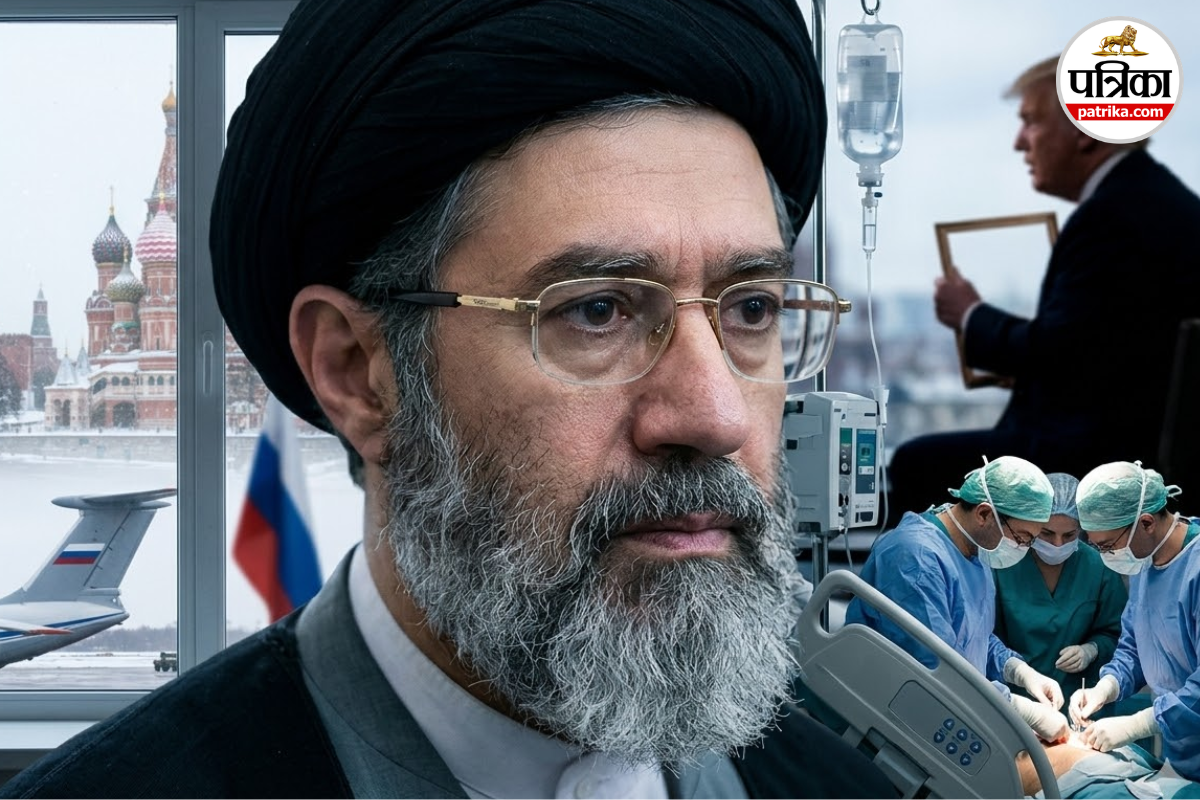
The rumors didn't start in a briefing room. They began in the digital undercurrents where the survival of a dynasty is weighed against the silence of a hospital wing. For weeks, the name Mojtaba Khamenei has been whispered with a mix of reverence and dread. He is the second son, the presumed heir, and the man who arguably holds the most enigmatic position in the Islamic Republic. But lately, the questions haven't been about his policies. They have been about his pulse.
The Middle East is a theater of mirrors. In one reflection, Mojtaba is the iron-fisted successor preparing to take the mantle from his father, Supreme Leader Ali Khamenei. In another, darker reflection, he is a man broken by a precise, devastating strike. Reports began to bleed out through dissident channels and international intelligence circles: an Israeli strike in Damascus had supposedly claimed more than just concrete and steel. It had claimed Mojtaba’s legs.
Then came the sudden, unexplained movement.
The Flight to the North
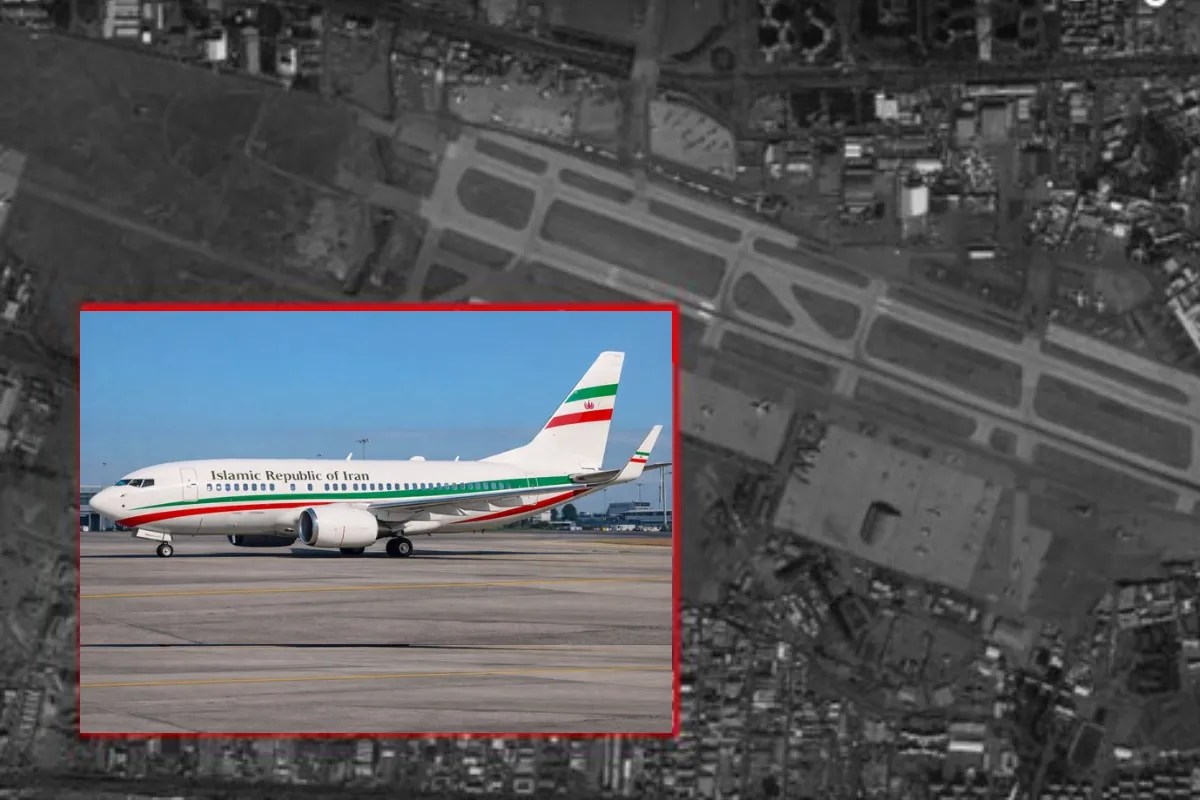
When a high-ranking Iranian official travels to Moscow, it is rarely for a vacation. The relationship between the Kremlin and Tehran is a marriage of necessity, forged in the fires of sanctions and shared adversaries. But the arrival of Mojtaba Khamenei in Russia wasn't announced with the usual pomp of diplomatic handshakes. It felt like an extraction. Or perhaps, a desperate search for a miracle.
Consider the logistics of such a journey. You don't move a man rumored to be "half-dead" unless the local facilities can no longer sustain the lie. Moscow offers more than just advanced trauma surgery; it offers a vault. Behind the walls of Russia’s elite medical compounds, a man can disappear. He can be rebuilt, or he can be kept on life support until the political timing for an announcement is perfect.
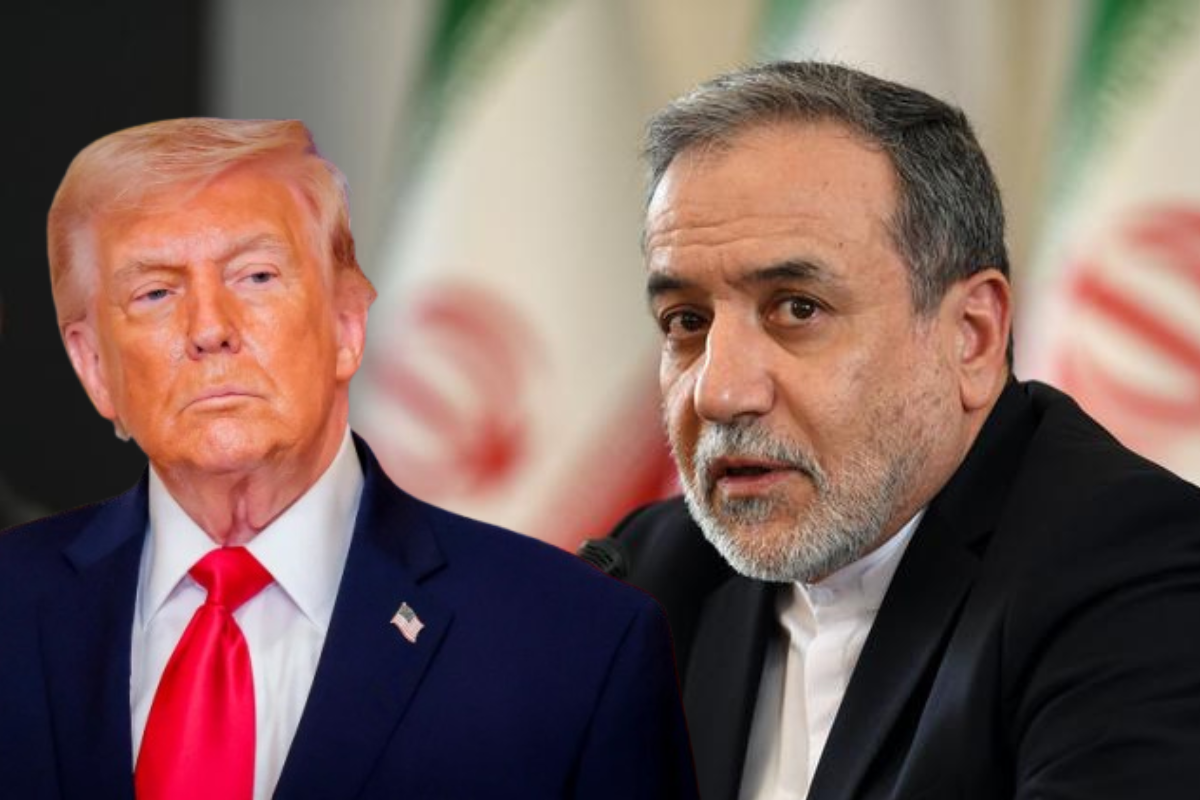
The timing itself is a weapon. Donald Trump, back on the global stage, recently threw a match into this powder keg. With the bluntness that defines his rhetoric, he questioned whether the Iranian leadership was even functional. "Is he even alive?" Trump mused during a campaign-style riff, referring to the Supreme Leader. But the subtext was clear. The vacuum at the top of the Iranian hierarchy is widening, and the world is peering into the darkness to see who—if anyone—is standing in the center.
The Weight of the Turban
To understand why a potential injury to Mojtaba matters, you have to understand the fragile architecture of the Iranian state. This isn't just about a son following a father. It is about the survival of the Velayat-e Faqih—the guardianship of the jurist. If Mojtaba is incapacitated, the line of succession doesn't just bend; it snaps.
For decades, Mojtaba has operated in the shadows. He is the commander of the shadows, heavily linked to the Basij militia and the intelligence apparatus. He is the one who allegedly crushed the Green Movement in 2009. To his supporters, he is the continuity of the revolution. To his detractors, he is the face of the deep state. If he is indeed in a Russian hospital, the "invisible stakes" involve more than just his recovery. They involve a frantic scramble for power back in Tehran.
Imagine the scene in the corridors of the Majlis. The hawks are watching the skies. The pragmatists are checking their watches. If the rumors of Mojtaba losing his legs are true, the optics of a "crippled" leader in a culture that prizes the image of the warrior-cleric are catastrophic. In this world, physical wholeness is often equated with the divine right to rule. A successor in a wheelchair is a successor who invites a coup.
The Russian Connection
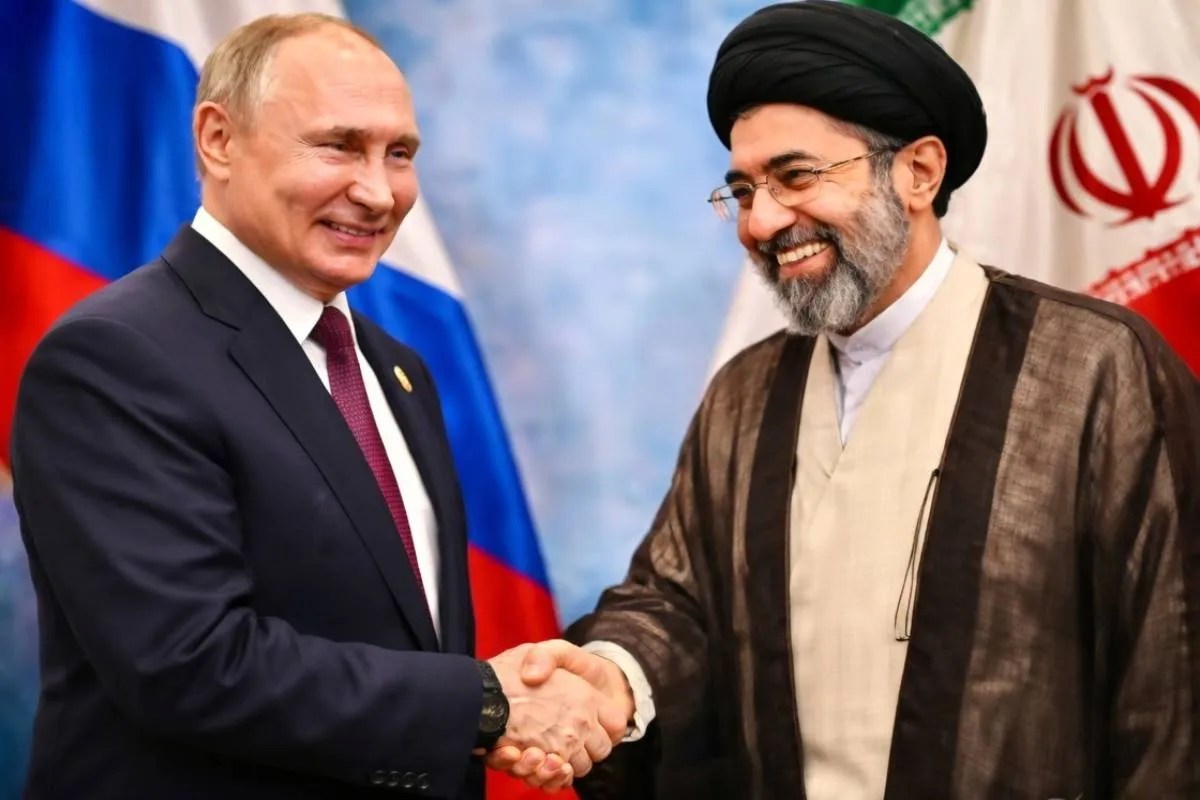
Why Moscow? Because the West is a closed door and China is a distant ledger. Russia is the only partner with the technical sophistication to treat high-level battlefield trauma while maintaining a total media blackout. Vladimir Putin understands the value of a hostage—or a guest—who happens to be the future of a neighboring oil giant.
There is a cold logic to this alliance. If Russia saves the heir to the Iranian throne, Tehran’s debt to Moscow becomes eternal. We are seeing the birth of a new kind of geopolitical dependency. It isn't just about drones and missiles anymore. It is about biology. It is about the very life force of the Iranian leadership being managed by Russian doctors under the watchful eye of the FSB.
But the silence from Tehran is the loudest part of the story. Usually, when a high-profile figure is accused of being injured or dead, the state media releases a "proof of life" video within forty-eight hours. We see them drinking tea. We see them nodding at a newspaper. We have seen none of that for Mojtaba. Instead, we see a void filled by frantic denials from low-level officials that only serve to sharpen the public’s suspicion.
The Human Cost of Absolute Power
Strip away the geopolitical chess and the satellite imagery, and you are left with a man. A man who has spent his entire life being groomed for a throne he may never sit upon. If the reports of the Damascus strike are accurate, Mojtaba Khamenei is currently experiencing the most human of all conditions: the sudden, violent realization of his own fragility.
There is a profound irony in a man who directed the machinery of state violence becoming a victim of a more sophisticated version of that same violence. The psychological impact on the Supreme Leader cannot be overstated. Ali Khamenei is an old man. He has watched his contemporaries fall. To see his son—his legacy—spirited away to a foreign land for emergency surgery is a blow that no amount of revolutionary fervor can soften.
The uncertainty creates a vibration in the market. In the streets of Tehran, the rial fluctuates not just on economic data, but on the health of a family. Every day that Mojtaba remains "missing" or "in Moscow" is a day the Iranian people realize the regime is a house of cards held together by the breath of two men. One is eighty-five. The other might be in pieces.
The Inevitable Reveal
The truth about Mojtaba will eventually surface. Bodies cannot be hidden forever, and shadows eventually have to step into the light. If he returns to Tehran, the world will be looking at his gait. They will be looking at his eyes. They will be looking for the scars of a conflict that has moved from the borders of the country to the very skin of its leaders.
But if he doesn't return, or if he returns as a figurehead with no actual mobility, the transition of power becomes a free-for-all. The Revolutionary Guard (IRGC) will not wait for a convalescing cleric to find his footing. They will move. They are already moving.
We are witnessing the endgame of a specific era of Iranian history. The era of the untouchable elite is over. When the son of the Supreme Leader has to fly to his patron state in the middle of the night to save his life, the aura of invincibility is gone. It has been replaced by a clinical reality: even the most powerful men in the world are made of bone and blood, and both are easily broken.
The lights in the Kremlin medical wing stay on late into the night. Somewhere in those sterile halls, a man waits to see if he still has a future, while a nation waits to see if it still has a leader. The silence is not peace. It is the breath held before the scream.