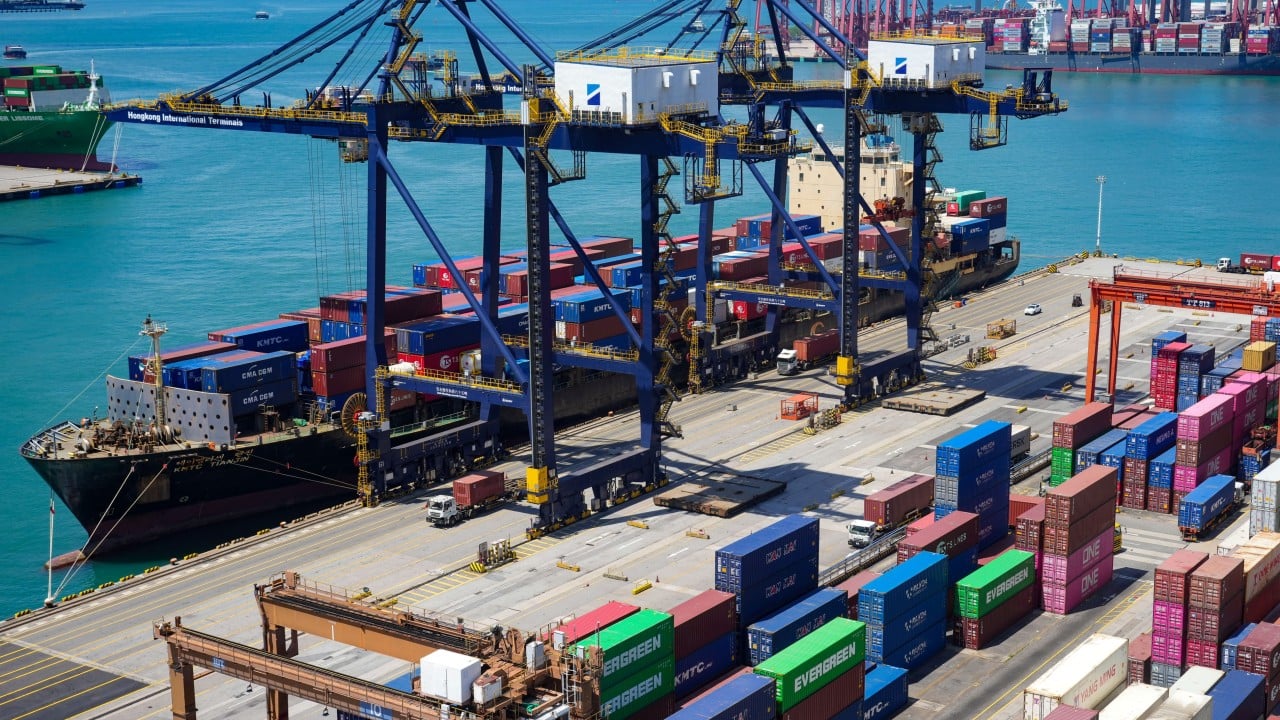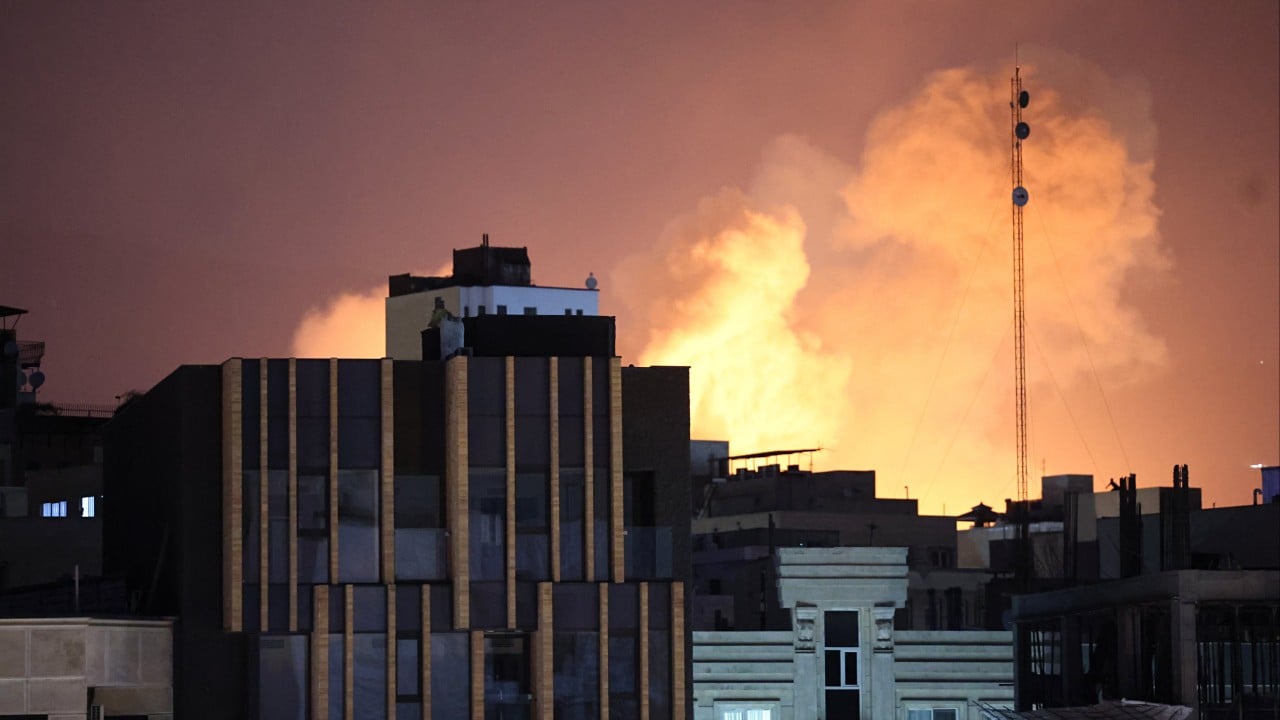
The headlines are predictable. They smell of 1990s geopolitics and a desperate need for a "Suez moment" that isn't coming. Every time a kinetic spark flies between Israel and Iran, the West pulls out the same tired playbook: "China’s energy juggernaut is one blockade away from total collapse." It is a comfortable narrative for those who want to believe American sanctions still hold the same gravity they did thirty years ago.
It is also fundamentally wrong. For a deeper dive into similar topics, we suggest: this related article.
The "oil squeeze" narrative assumes Beijing is a passive victim of global supply chains. It ignores the reality of the "Ghost Fleet," the sophistication of the renminbi-denominated trade, and the fact that China has spent the last decade building a strategic reserve that makes the U.S. Strategic Petroleum Reserve (SPR) look like a backyard shed. If you think a strike on Iranian infrastructure puts China on its knees, you aren't paying attention to the plumbing of the global oil market.
The Myth of the Vulnerable Dragon
Mainstream analysts love to point at the Strait of Hormuz. They tell you that if Israel hits Kharg Island or if the U.S. tightens the screws on Iranian "dark" tankers, China’s industrial engine seizes. This logic relies on the idea that oil is a transparent, monolithic commodity traded only in dollars under the watchful eye of OFAC. For additional information on this issue, extensive reporting can be read at Forbes.
It isn’t.
China’s "Teapot" refineries in Shandong province don't care about Washington’s naughty list. They have been processing Iranian "Malaysian" or "Omani" blends for years. This isn't a loophole; it’s a parallel economy. When the U.S. strikes Iranian assets or ramps up sanctions, they aren't "squeezing" China; they are merely increasing the risk premium, which China pays in discounted yuan.
I have watched traders scramble during previous "shocks." What actually happens? The price of "official" Brent might spike, but the spread for sanctioned crude widens. China effectively gets a loyalty discount for being the only buyer brave enough to keep the lights on in Tehran. Washington’s aggression actually subsidizes the Chinese manufacturing sector by lowering their input costs relative to the rest of the world.
Why the "Blockade" Logic Fails
The common counter-argument is the Malacca Dilemma. The theory goes: if the U.S. Navy closes the gap, China dies. This is a 20th-century solution to a 21st-century reality.
- The Russia Factor: Since 2022, the Power of Siberia pipeline and the surge in ESPO (Eastern Siberia–Pacific Ocean) crude have fundamentally altered China’s risk profile. Russia is now China’s top supplier. You cannot "blockade" a land border between two nuclear-armed neighbors.
- Strategic Reserves: China doesn't report its internal stock levels with the transparency of the EIA. However, satellite imagery of tank farms suggests Beijing holds over 90 days of net imports. They aren't living hand-to-mouth.
- The Electric Pivot: This is the nuance the "oil squeeze" hawks miss. China isn't just buying oil; they are actively destroying the need for it. With EV penetration hitting 50% of new car sales in major Chinese cities, the long-term demand curve for gasoline is already peaking. A temporary supply shock in 2026 is a nuisance, not an existential threat.
The Math of Displacement
Consider the displacement of crude by alternative energy. If we look at the efficiency of the Chinese grid:
$$\eta_{grid} = \frac{E_{delivered}}{E_{generated}}$$
Even with a reliance on coal, the "Well-to-Wheel" efficiency of a Chinese EV often outperforms the internal combustion engines of the West. Every wind turbine erected in Inner Mongolia is a permanent reduction in the "leverage" a Middle Eastern conflict holds over Beijing.
The Sanctions Trap
We need to stop pretending that sanctions are a precision tool. They are a blunt instrument that has lost its edge. When the U.S. targets Iranian oil exports to China, it forces the creation of financial infrastructure that bypasses the SWIFT system.
By pushing Iran and China into a corner, the West has incentivized the development of:
- CIPS (Cross-Border Interbank Payment System): The Chinese alternative to SWIFT.
- Digital Yuan (e-CNY): A programmable currency that ignores maritime law.
- The Shadow Fleet: A massive, aging fleet of tankers with opaque ownership that operates entirely outside Western insurance circles (P&I clubs).
The "squeeze" isn't working because the pipe isn't made of steel anymore—it’s made of encrypted ledgers and sovereign guarantees. If you think China is terrified of an oil embargo, you’re missing the fact that they’ve already built the escape tunnels.
The Teapot Refinery Reality Check
If you want to understand the "oil squeeze," stop looking at Beijing’s Ministry of Foreign Affairs and start looking at the small, independent refineries in Shandong. These "Teapots" represent about 20% to 25% of China’s refining capacity.
They are the most agile players in the game. When big state-owned firms like Sinopec hesitate due to diplomatic optics, the Teapots double down. They buy the "distressed assets" (sanctioned oil). They use local, rural banks to settle trades. They are the ultimate shock absorbers. Even if Israel leveled every Iranian terminal, these refineries would pivot to Russian, Venezuelan, or discounted African grades within a week.
The global oil market is a liquid. If you plug one hole, the pressure just builds until it finds another. To "squeeze" China, you would have to sanction every small bank in rural China—a move that would trigger a global financial contagion no Western leader has the stomach for.
The High Cost of the "Squeeze" Fantasy
The danger of believing the "China is vulnerable" narrative is that it leads to reckless foreign policy. If Washington believes it holds a "kill switch" over the Chinese economy via Iranian oil, it is more likely to greenlight escalatory strikes in the Middle East.
But what happens when the switch is flipped and nothing happens?
Imagine a scenario where 2 million barrels per day of Iranian crude are wiped off the map. Oil jumps to $120. The U.S. consumer feels the burn at the pump. Inflation roars back. Meanwhile, China taps its massive reserves, accelerates its coal-to-liquids projects, and buys Russian crude at a premium that they can afford because their currency isn't crashing.
The "squeeze" ends up choking the West while China merely holds its breath.
People Also Ask: Won't China intervene to save Iran?
Brutally honest answer: No. China doesn't have "allies"; it has "interests." Beijing will not fire a shot to protect the Ayatollah. They will, however, use the chaos to negotiate better long-term deals with the Saudis and Emiratis, who are equally desperate to ensure China remains their primary customer as the West pivots away from hydrocarbons.
The Real War is for the Grid
The "oil squeeze" is a distraction. The real battle for energy supremacy isn't happening in the Strait of Hormuz; it's happening in the processing of lithium, the manufacturing of ultra-high-voltage (UHV) transmission lines, and the dominance of the global battery supply chain.
China has already won the "oil war" by making oil irrelevant to their long-term strategic survival. While the U.S. and Israel focus on the kinetic destruction of 20th-century infrastructure, Beijing is busy monopolizing the 21st-century energy stack.
You cannot blockade the sun. You cannot sanction the wind. And you certainly cannot "squeeze" a nation that has spent twenty years preparing for exactly this moment of Western overreach.
Stop looking for a collapse that won't happen. The "oil squeeze" is a ghost story we tell ourselves to feel powerful in a world where our leverage has already evaporated.
Stop betting on a 1970s-style energy crisis. The game has changed, the players have moved, and the board has been flipped.
Go long on the reality of Chinese resilience, or get crushed by the myth of their fragility.